In the Bay Area, winter doesn’t arrive with snow. It arrives with rain. One week your yard is bone dry, and the next an atmospheric river drops several inches of water in a couple of days. For most homes, that sudden shift is the real test of the season.
The two parts of your home that take the hit first are the ones you rarely think about: the sewer line under your yard and the outdoor unit of your AC or heat pump. Both sit outside, both deal with water in ways they don’t all summer, and both are far cheaper to check now than to fix in the middle of a storm. Here is what our technicians see every rainy season and what we recommend doing before the first big storm rolls in.
Why the First Heavy Rains Hit Sewer Lines the Hardest
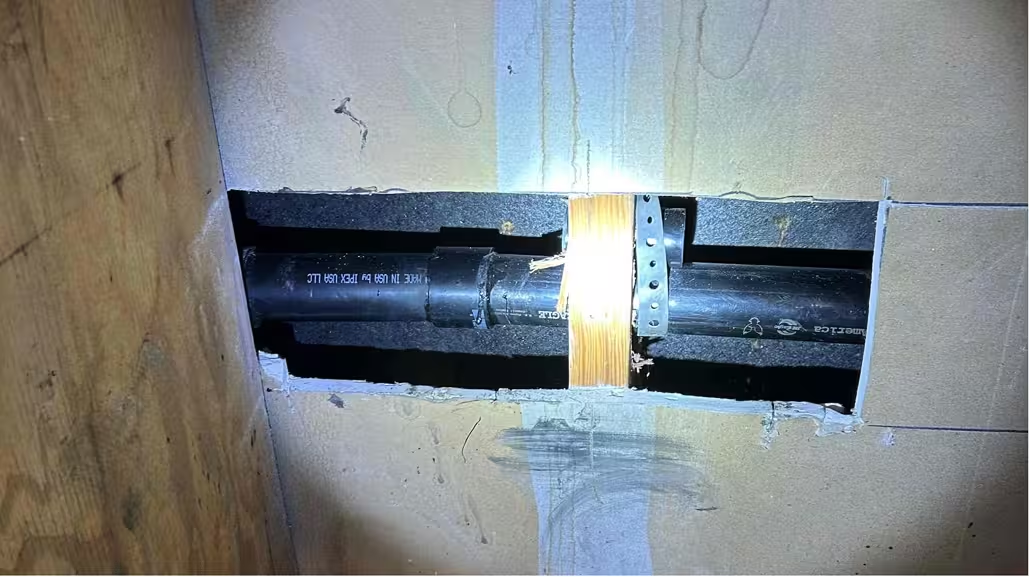
Every year, the first serious storms of the season bring a wave of sewer backups, clogged drains, and drainage problems. Months of dry weather let small issues build up quietly: tree roots creep into pipe joints looking for moisture, debris settles, and minor cracks go unnoticed. Then a storm pushes a large volume of water through the system all at once, and whatever was half blocked becomes fully blocked.
From what our technicians see in the field, some homes are hit much harder than others:
- Older homes. Older sewer lines were often made of clay or cast iron, with joints that loosen and crack over time and let water and roots in.
- Properties with mature trees. Roots are one of the most common causes of sewer trouble. A large tree near the line can work its way into even a small gap.
- Homes with older plumbing. Original pipes that have never been inspected or replaced are more likely to have hidden damage.
- Lower-lying areas. When the municipal system is under heavy load, water has to go somewhere, and homes at lower elevations feel it first.
If your home checks one or more of these boxes, the weeks before the rainy season are the best time to take a closer look.
Warning Signs That Rainwater Is Getting Into Your Sewer Line
Your sewer line usually gives you a few hints before it fails. Pay attention to these, especially during or right after heavy rain:
- Slow drains in sinks, tubs, or showers that don’t improve after basic cleaning.
- Gurgling toilets or drains, which often means air is being pushed back through a partially blocked line.
- Water backing up through the lowest drain in the house, such as a floor drain, a ground-floor shower, or a basement fixture.
- Several drains are acting up at the same time. One slow sink is usually a local clog. Multiple fixtures with problems point to the main line.
- Sewer odors inside the house or around the yard cleanout.
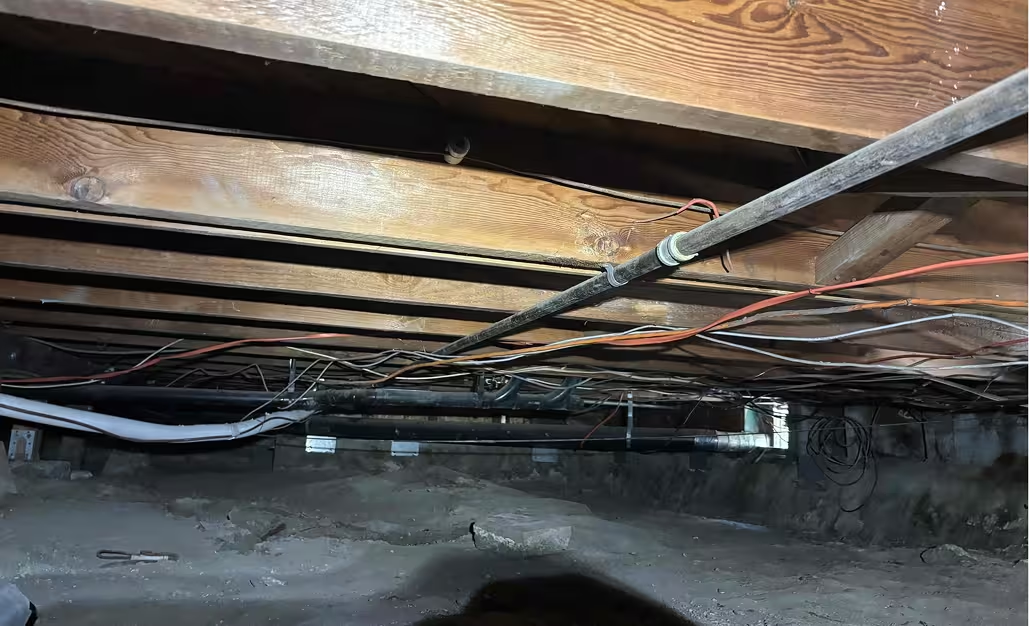
If these symptoms show up only when it rains, that is an important clue. It often means stormwater is finding its way into a damaged line, or the line is already partly restricted and can’t handle the extra volume.
When a Sewer Camera Inspection Is Worth It
A sewer camera inspection lets a technician see the inside of your line and find the exact cause of a problem: roots, a crack, a sagging section, or a buildup of debris. Instead of guessing, you get a clear picture of what needs to be fixed and what doesn’t.
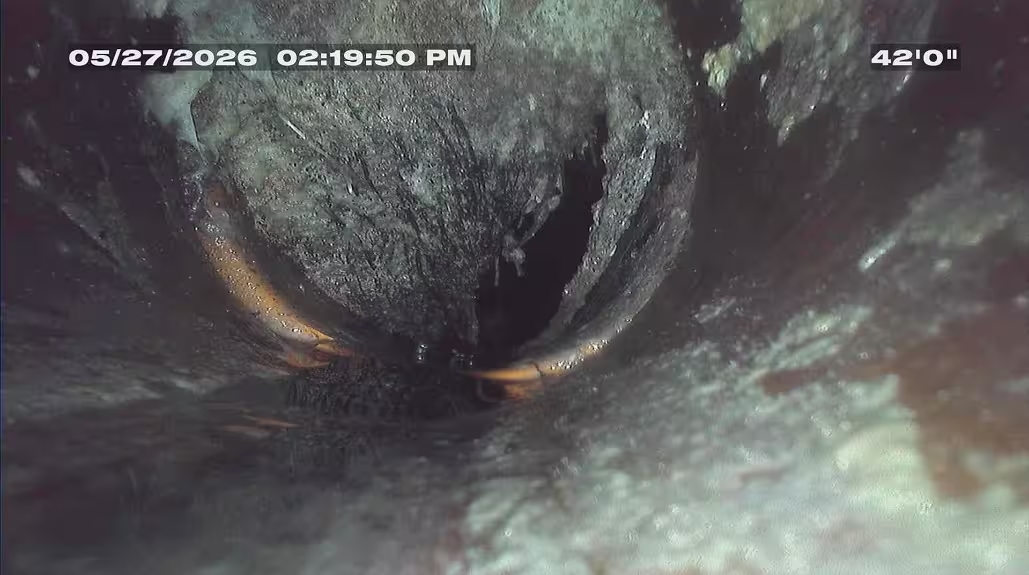
Our technicians recommend a camera inspection when:
- the same drain problem keeps coming back after it was cleared;
- more than one drain in the house is affected;
- you have had repeated backups, even minor ones;
- you already have concerns about your line and the rainy season is coming.
That last point matters most. If you already suspect something is wrong, we recommend scheduling the inspection before the heavy rains start. Finding a problem in October is a planned repair. Finding it during a storm is an emergency.
One more tip from our team: if you know about any existing issue with your plumbing, such as an old repair, a past backup, or a spot where a previous plumber had trouble, tell your technician before work begins. That history helps us choose the right equipment and approach, and it protects both your pipes and the tools going into them.
Cleanouts and Backwater Valves: What You Need to Know
Check your sewer cleanout
A cleanout is a capped access pipe, usually somewhere in the yard or near the foundation, that gives a plumber direct access to your sewer line. Before the rainy season, we recommend finding yours and making sure it is:
- accessible, not buried under soil, mulch, plants, or a new patio;
- clear, with the cap in place and no visible damage;
- easy to reach in a hurry, so you are not searching for it in the dark during a storm.
If your home doesn’t have an accessible cleanout, we recommend installing one. It makes future sewer cleaning and camera inspections faster and easier, and during a backup it can save valuable time.
Should you install a backwater valve?
A backwater valve is a device installed on the sewer line that lets wastewater flow out of your home but stops it from flowing back in. Its main job is to protect your house if the city sewer backs up or becomes clogged during a storm.
Plumbers don’t all agree on them. Some see them as essential storm protection; others are more cautious, because a valve is one more component that needs to be maintained and checked. Our view: a backwater valve can make sense for some homes, especially those in lower-lying areas or with a history of backups from the city side. Whether it is right for your home is a decision best made after a technician has looked at your line, your cleanout, and how your property sits relative to the street.
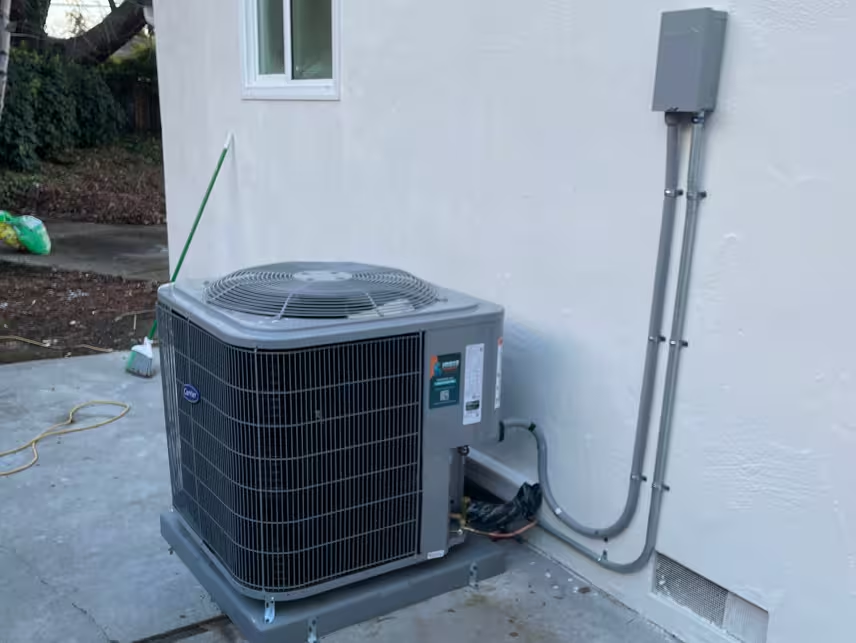
Protecting Your Outdoor AC or Heat Pump Unit
The good news first: outdoor units are built to live outside, and normal rain won’t hurt them. What causes trouble is everything that comes with a big storm: debris, standing water, and in rare cases, flooding. If you have a heat pump, this matters even more, because it is your heating system and it keeps running all winter.
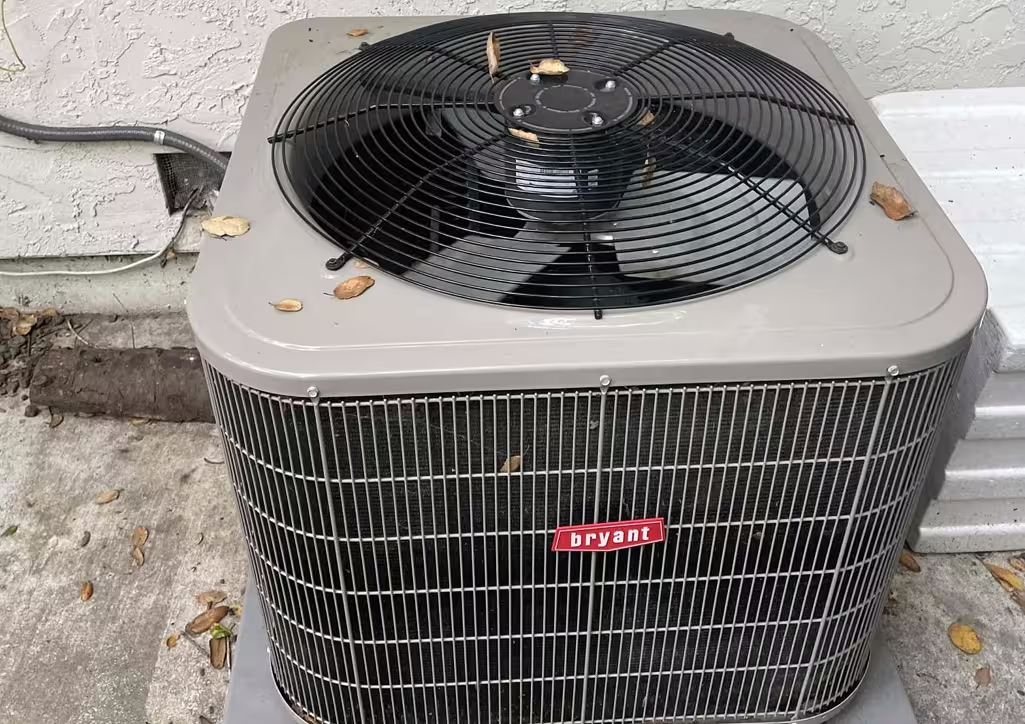
Here is what we recommend:
- Clear the area around the unit. Remove leaves, branches, and yard debris, and keep about two feet of open space on all sides so air can move freely.
- Check the gutters and downspouts nearby. A downspout or roof edge that dumps water directly onto the unit, or into the spot where it sits, should be redirected.
- Make sure the pad is level, and water drains away. If water pools around the base after rain, the area may need regrading or a raised pad.
- Don’t wrap the unit in plastic or a tarp. A tight cover traps moisture, invites rust and pests, and a heat pump can’t run with one on.
- Trim nearby branches. Storm winds can snap limbs that land on the unit and damage the fan or coil.
If your outdoor unit has been sitting in flood water, do not turn it back on. Switch it off at the breaker and have a technician inspect it first. The electrical components inside are not designed to be submerged, and running a wet unit can damage the system or create a safety hazard. Regular heat pump maintenance before winter is also a good moment to have the unit checked for any weak spots.
What to Do If Your Drains Back Up During a Storm
If water starts coming up through a drain during heavy rain, act quickly to limit the damage:
- Stop using water. Don’t flush toilets, run the dishwasher or washing machine, or take showers. Every gallon you send down the line has nowhere to go.
- Stay away from the lowest fixtures. Floor drains and ground-floor showers are where backups appear first.
- Never open the cleanout to let yard water drain into it. It may seem like a quick fix for flooding outside, but it sends storm water straight into a system that is already overloaded.
- Avoid contact with the water. Sewage backup carries bacteria. Wear gloves and boots if you need to move belongings.
- Call a plumber. A professional can clear the blockage, tell you whether the problem is in your line or on the city side, and recommend next steps.
Your Rainy Season Prep Checklist
A few hours of prep in October can save you an emergency call in January:
- Watch for slow drains, gurgling, or backups and note whether they get worse after rain.
- Schedule a sewer camera inspection if problems keep coming back or affect several drains.
- Find your sewer cleanout and make sure it is accessible, capped, and clear.
- Ask about installing a cleanout if your home doesn’t have one.
- Talk to a plumber about whether a backwater valve makes sense for your home.
- Clear leaves and debris around your outdoor AC or heat pump unit.
- Redirect downspouts that drain onto or next to the unit.
- Check that water drains away from the unit’s pad.
- Trim branches hanging over the unit.
- Keep your plumber’s number somewhere easy to find.
Get Ready Before the First Big Storm
The best time to deal with a sewer line or an outdoor unit is before the rain makes it urgent. IRBIS Air, Plumbing & Electrical offers sewer camera inspections, drain cleaning, cleanout installation, and heat pump and AC maintenance for homes across San Jose and the Bay Area. Call us at +1 (669) 312-3643 or book online, and we’ll help you get your home ready for the rainy season.
During a repair visit, our technicians will inspect your A/C system, diagnose the problem, and provide you with repair options. Once you choose an option, we'll proceed with the necessary repairs. Afterward, we'll test the system to ensure it's working correctly and provide you with a detailed report.