


.avif)





A damaged sewer line used to mean one thing: heavy equipment tearing up the yard, driveway, or landscaping to get to the pipe. Trenchless repair changed that, but it's not automatically the right fit for every situation, and homeowners looking into sewer line services are often left wondering what the method actually involves, when it doesn't apply, and how the cost compares to a traditional dig. Here's a straightforward look at how trenchless sewer repair works, the warning signs that call for professional sewer line services in the first place, when a traditional excavation is still the better call, what each option typically costs, and what kind of warranty backs the work.
Signs You May Need Sewer Line Repair
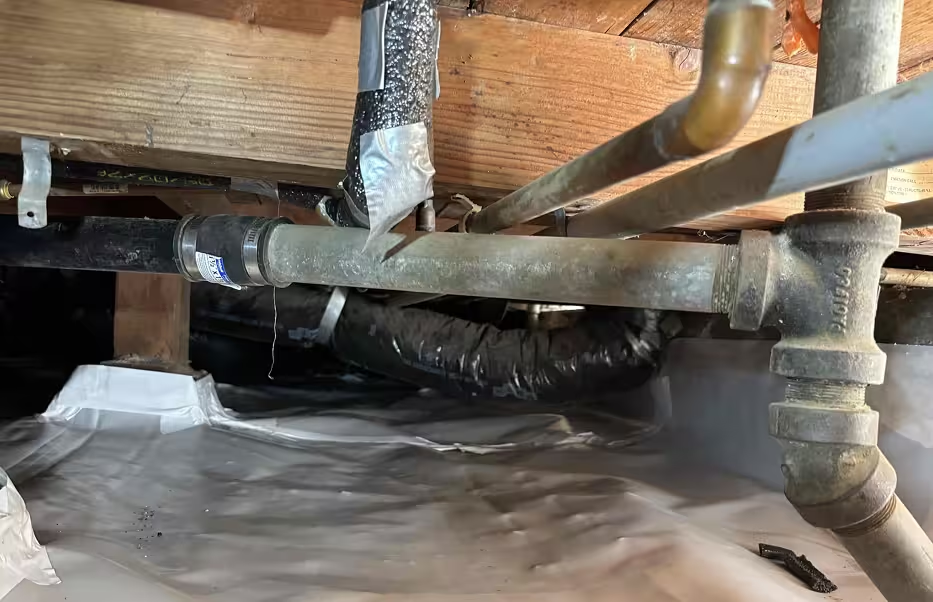
Before any repair method comes into play, most sewer line problems show themselves in a few common ways: slow or gurgling drains throughout the house rather than just one fixture, recurring backups, sewage odors near the yard or in the basement, unusually lush or soggy patches of grass over the line's path, and small cracks appearing in the foundation or driveway near where the line runs. Any one of these on its own isn't necessarily a sewer line issue, but a few appearing together is usually a sign it's time to have the line inspected. A professional inspection typically starts with a camera run through the line, which lets a technician see the exact condition of the pipe, where the damage or blockage is, and which repair method actually applies before any work begins.
How Trenchless Sewer Repair Works
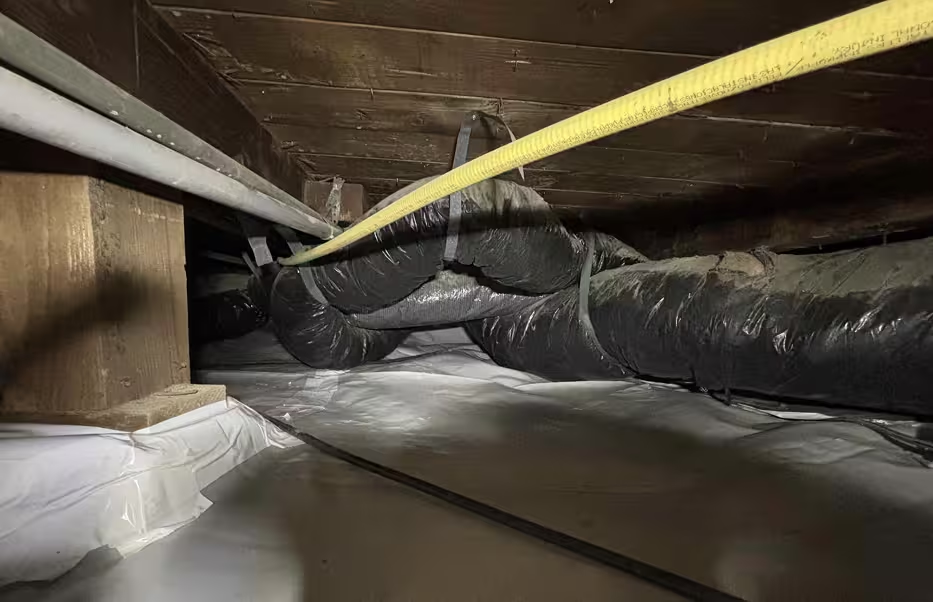
The trenchless method we use is pipe bursting. Instead of digging up the full length of the damaged line, a new pipe is pulled directly through the old sewer line while a bursting head breaks the old, deteriorated pipe apart and pushes the fragments outward into the surrounding soil. The new pipe takes its place in the same path the old one occupied. Because the process works through a couple of small access points rather than a continuous trench, it means significantly less digging than a traditional excavation, which translates to less disruption to the yard, hardscaping, and anything else sitting above the line. It's also generally faster than a full dig, since there's no need to backfill and restore a long trench once the new pipe is in place.
When Trenchless Repair Isn't the Right Fit
Pipe bursting works well for a damaged or deteriorated line, but it can't fix a grading problem. If a sewer line has lost its proper slope over time, whether from ground settling, shifting soil, or the original installation, wastewater can end up sitting in low spots in the pipe instead of draining out as it should. Pulling a new pipe through the same path doesn't correct that slope; it just replaces the old pipe with a new one running through the same flawed grade. In those cases, excavation is the only way to properly correct the line's angle and make sure it drains the way it's supposed to. This is exactly why a camera inspection matters before committing to a method: it's the only way to confirm whether the issue is the pipe itself or the slope it's sitting on.
What Trenchless Repair Costs Compared to Traditional Excavation
Pipe bursting typically runs about $15,000 to $22,000, while a traditional excavation and pipe replacement typically runs about $20,000 to $30,000. Trenchless repair tends to land on the lower end of that range because it requires far less digging, but the exact cost for either method depends on several factors: the length of the line being replaced, how accessible it is, how deep it sits, and what permits are required for the job. Homes with mature landscaping, hardscaping, or a driveway sitting over the line often see the biggest savings from choosing trenchless repair, simply because there's so much less to restore afterward. A licensed plumber offering professional sewer line services can give an accurate estimate once they've seen the specific line and confirmed which method actually applies.
Warranty on Trenchless Sewer Repair
Every pipe bursting job comes with an official 20-year warranty. In practice, the pipe itself is built to last considerably longer than that, often 30 to 40 years or more, but the warranty we stand behind for customers is a full 20 years from installation.
Keeping a Repaired Sewer Line in Good Shape
Once a sewer line has been repaired, whether trenchless or traditional, a few habits go a long way toward protecting the investment: avoid planting trees or deep-rooted shrubs directly over the line's path, don't flush wipes, grease, or other non-degradable materials, and schedule a camera inspection every couple of years even if nothing seems wrong. Catching a small issue early is almost always cheaper and less disruptive than waiting for a full backup.
If you're dealing with slow drains, backups, or other signs of a failing sewer line and want to know whether trenchless repair is an option for your home, call IRBIS at +1 (669) 312-3643 or contact us online to schedule an inspection.
During a repair visit, our technicians will inspect your A/C system, diagnose the problem, and provide you with repair options. Once you choose an option, we'll proceed with the necessary repairs. Afterward, we'll test the system to ensure it's working correctly and provide you with a detailed report.