


.avif)





Most homeowners don’t think about their pipes until something forces the issue — a persistent drop in water pressure, water that runs orange when you first turn on the tap, or leaks that keep appearing in different spots, no matter how many times they’ve been patched. By the time those signs appear, the underlying problem has usually been building for years inside the walls and under the floors. A whole-house repipe is one of the more significant plumbing projects a homeowner can undertake, but for many Bay Area homes with aging infrastructure, it’s also one of the most impactful — the kind of work that solves the problem rather than delaying it. At IRBIS Air, Plumbing & Electrical, we perform both water supply and drain repiping throughout San Jose and the surrounding area. Here’s what the process involves, which pipe types we most often replace, what it costs, and how long it takes.
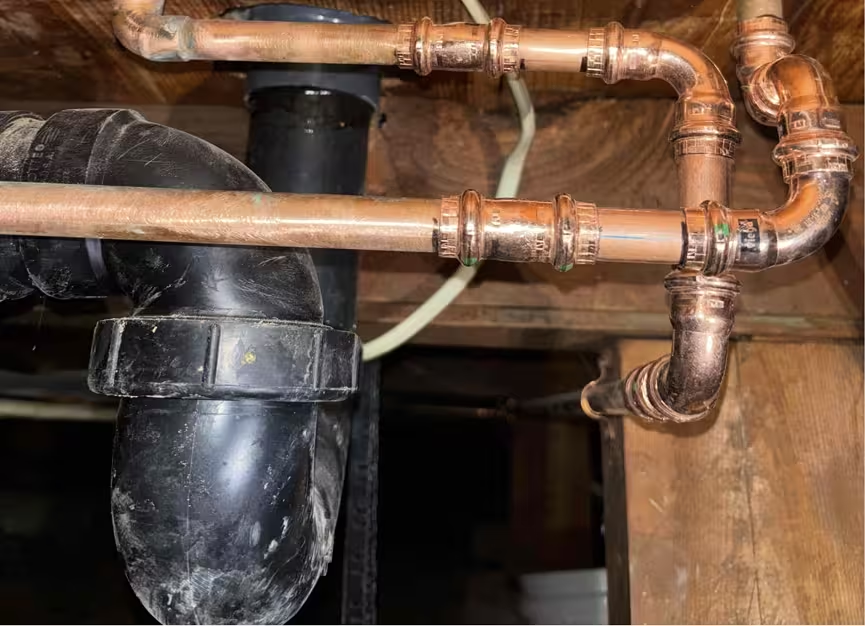
What Is a Whole House Repipe?
A whole house repipe means replacing all of the water supply lines or drain lines running through a home — not patching a single leaking section, but pulling out the existing network and running entirely new pipe throughout. There are two distinct types of repipe projects, and they address different systems. A water supply repipe replaces the pressurized lines that carry hot and cold water from the main supply to every fixture in the home. A drain repipe replaces the gravity-fed lines that carry wastewater from sinks, tubs, showers, and toilets to the sewer. Some homes need one, some need both. Our team assesses each home individually — including a camera inspection of drain lines where appropriate — before recommending any scope of work.
The Pipe Types We Most Often Replace in San Jose
In the Bay Area, the two pipe types that drive most repipe projects are galvanized steel supply lines and cast iron drain lines — both standard in homes built before the 1970s and now routinely at or past the end of their usable life.
Galvanized steel pipes corrode from the inside out. As the zinc coating breaks down over decades, rust and mineral deposits build up on the interior walls and gradually narrow the flow path. The typical progression is reduced water pressure throughout the house, discolored water — particularly when fixtures are first used after sitting overnight — and eventually pinhole leaks appearing in multiple locations at once. At that point, individual repairs no longer make sense; the whole system is failing.
Cast iron drain lines fail differently. Scale and corrosion accumulate on the interior surface, slowing drainage and eventually leading to blockages, cracks, or pipe collapse — particularly in sections that run under a concrete slab or in areas with significant soil movement. Camera inspection is the most reliable way to evaluate cast iron condition before recommending a full replacement. Polybutylene pipe exists in some Bay Area homes, but it is significantly less common here than galvanized and cast iron.
Why IRBIS Uses PEX for Water Supply Repiping
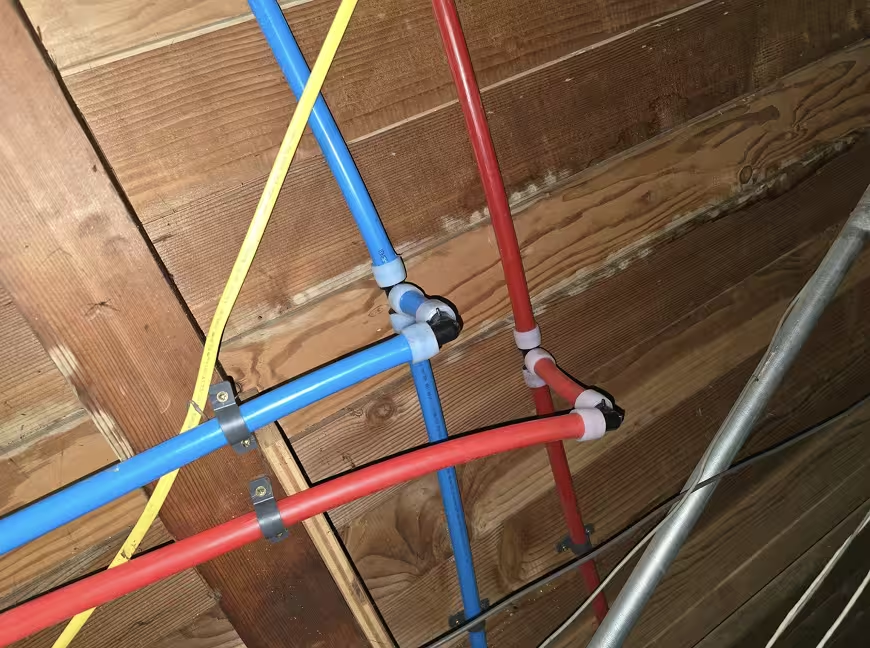
For water supply lines, IRBIS uses PEX — cross-linked polyethylene. PEX is flexible enough to route through walls, floors, and framing with far fewer cuts and connections than rigid copper or CPVC, which means fewer potential failure points in the finished system. It is naturally resistant to the pinhole corrosion that affects copper in areas with aggressive water chemistry — a genuine concern in parts of the Bay Area where water pH and mineral content vary seasonally. PEX also handles mild seismic movement better than rigid pipe, which matters in Northern California. For drain replacements, we use ABS or PVC — modern plastic materials that are durable, code-compliant, and free of the buildup and corrosion issues that cause cast iron to fail over time.
What Does a Whole House Repipe Cost in San Jose?
Repipe pricing depends on home size, the type of pipe being replaced, pipe accessibility, and the extent of wall or floor restoration required after the work is complete. The table below reflects typical ranges based on IRBIS projects in San Jose.
Homes where pipes run through a crawl space or attic — common in many San Jose neighborhoods — generally fall toward the lower end of these ranges since the crew can access the full pipe run without opening finished walls throughout the house. Projects requiring significant wall access and restoration, or homes on slab foundations where drain lines run under concrete, will be at the higher end. IRBIS provides a detailed written estimate before any work begins so homeowners know exactly what to expect.
How Long Does a Whole House Repipe Take?
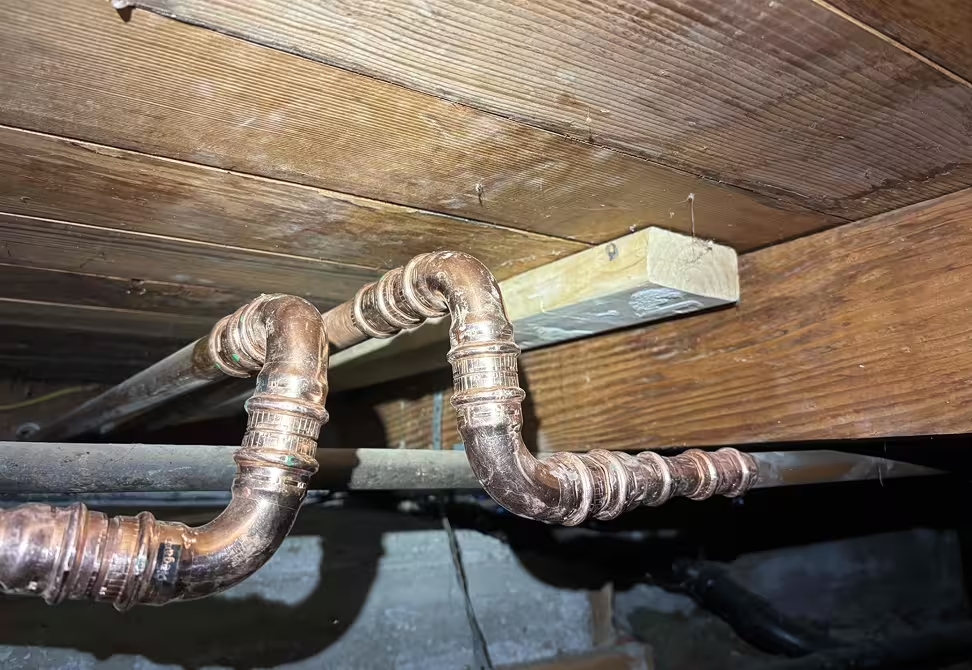
The timeline depends primarily on how accessible the existing pipes are. When piping runs through a crawl space or attic, most projects are completed in 2 to 3 days. For homes where pipes run through finished walls and ceilings and require more extensive access and drywall restoration, the project typically takes closer to one week. In both cases, homeowners can remain in the home throughout the project — water is shut off only during active work each day and restored each evening. All repipe work in California requires a permit and inspection by the local building department, which IRBIS handles as part of every project.
Conclusion
For homes with original galvanized supply lines or aging cast iron drains, a whole-house repipe is usually the only solution that actually resolves the problem rather than delaying it. The work is disruptive for a few days, but the result — reliable water pressure, clean water, and plumbing that won’t require emergency calls for years to come — is worth it. If your home is showing signs of failing pipes, the sooner you get a professional assessment, the more options you’ll have. Call IRBIS at +1 (669) 312-3643 or contact us online at irbishvac.com/contact to schedule a consultation.
During a repair visit, our technicians will inspect your A/C system, diagnose the problem, and provide you with repair options. Once you choose an option, we'll proceed with the necessary repairs. Afterward, we'll test the system to ensure it's working correctly and provide you with a detailed report.