

.avif)




Every summer, the same handful of issues drive up cooling bills across almost every home we visit, and most of them have nothing to do with the age or size of the system. They come down to a few habits and warning signs that are easy to miss until the bill arrives. Here's what our technicians see most often on real jobs: the signs that tell you a system is already running inefficiently, and a few things specific to our region that are worth keeping an eye on.
The Most Common Mistakes That Drive Up Cooling Bills
Three mistakes show up more than anything else on service calls, and none of them require a new system to fix.
Not changing filters. A dirty filter restricts airflow, which forces the system to work harder to move the same amount of air through the home. Over time, that means longer run times, higher energy use, and more strain on the equipment. As a general rule, standard filters should be checked monthly during peak cooling season and replaced roughly every 60 to 90 days, though homes with pets or higher dust levels often need it more frequently.
Not cleaning the coils. Dirt and debris on the condenser or evaporator coils act as insulation, of a bad kind, making it harder for the system to release or absorb heat the way it's designed to. A system with dirty coils can run constantly and still struggle to keep the house cool. Coils are easy to overlook because the problem builds up slowly, which is exactly why they're often caught during a professional tune-up rather than by the homeowner.
Not maintaining a consistent home temperature. This one makes a bigger difference than most homeowners expect, especially for variable-speed or high-efficiency systems. These systems are designed to run at low, steady speeds for long stretches to maintain a set temperature efficiently. Constantly changing the thermostat, or letting the temperature swing widely before cooling it back down, forces the system out of that efficient steady state and into a higher-speed, higher-energy operation to catch up. For older, single-stage systems, the effect is smaller, but for newer high-efficiency equipment it can be the single biggest factor in whether a system runs efficiently or not.
Signs Your System Is Already Running Inefficiently
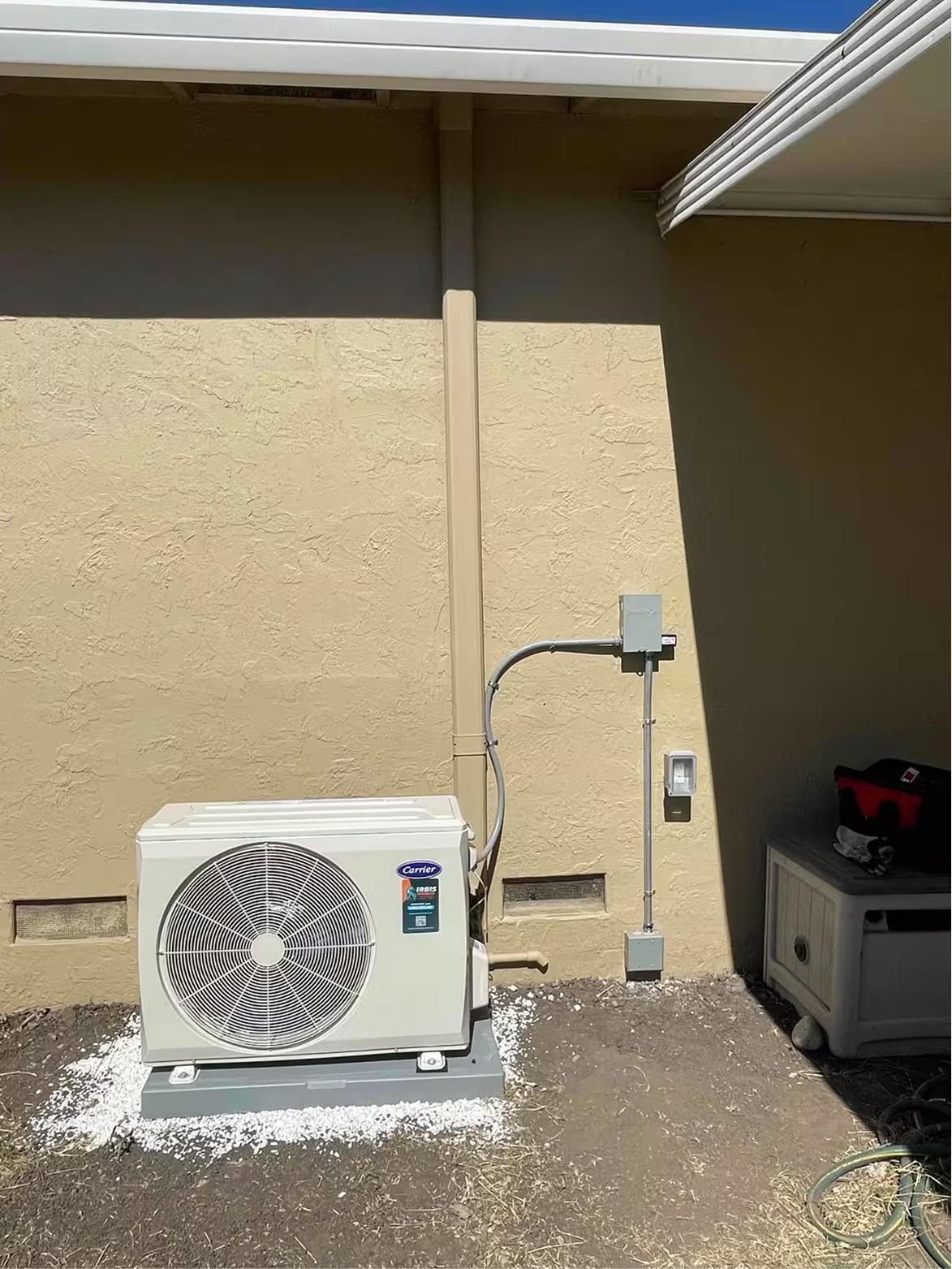
A few visual and audible clues tend to show up on-site well before a homeowner notices a spike in their bill:
- Visible debris inside the condenser or heat pump unit
- A dirty, clogged, or overdue air filter
- No set schedule on the thermostat, meaning it's being adjusted manually and inconsistently rather than programmed
- A buildup of leaves, grass clippings, or other debris around the outdoor unit
- A loud compressor or outdoor unit, which often points to strain on the equipment
- A loud blower, which can indicate restricted airflow or a fan working harder than it should have to
If any of these are present, it's usually a sign the system has been working harder than necessary for a while, even if the home still feels reasonably cool.
Does a Smart Thermostat Actually Help?
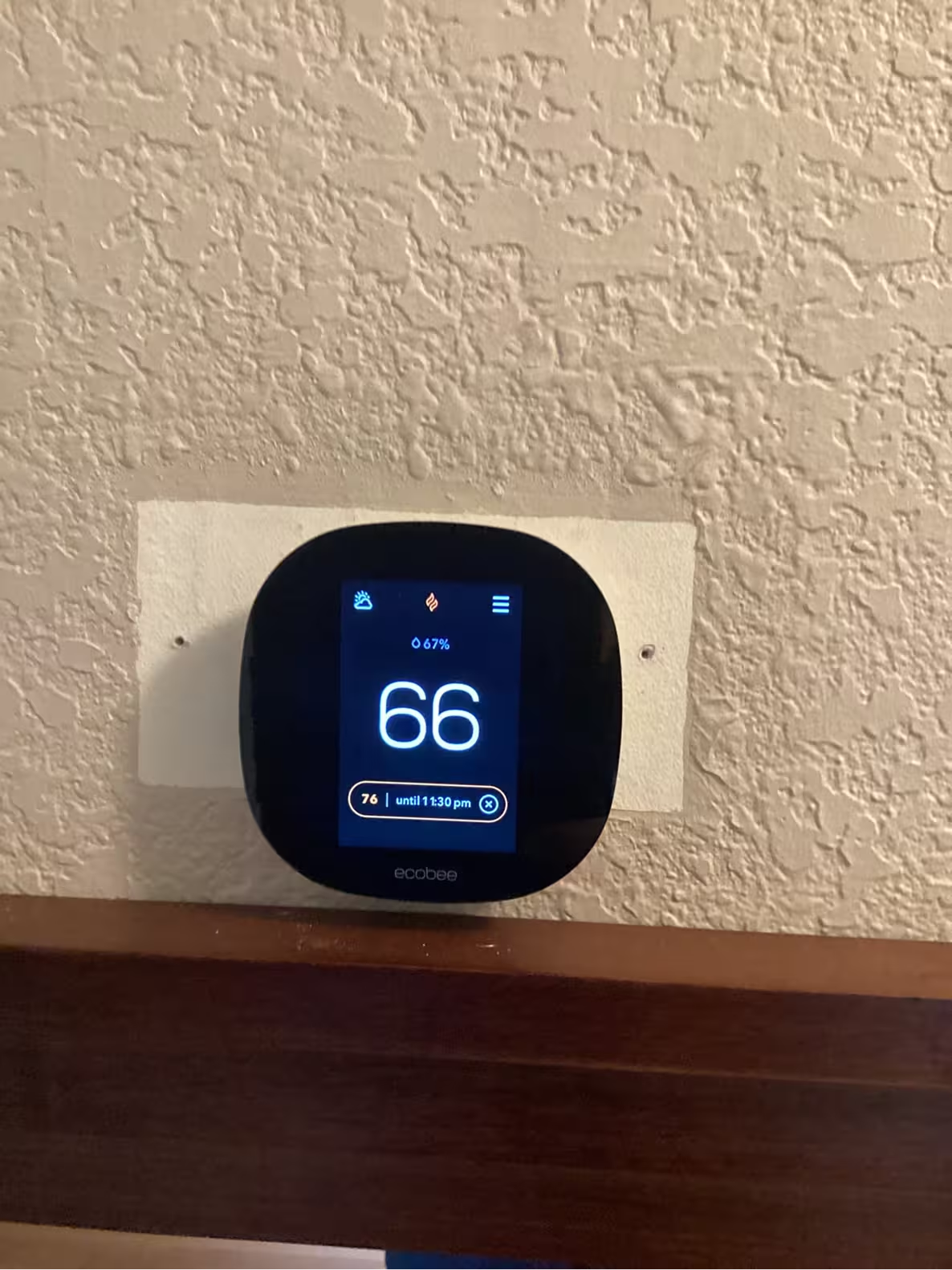
A programmable or smart thermostat can reinforce the exact habit that matters most: keeping the temperature steady instead of swinging it up and down throughout the day. Setting a consistent schedule- a slightly higher temperature while the home is empty and a comfortable setting when people are back lets the system ease into those changes gradually rather than fighting to catch up all at once. The savings vary by home and system type, but the bigger benefit for most households is simply removing the daily habit of manually adjusting the temperature, which is one of the mistakes technicians see most often.
When the System Itself Is the Problem
Fixing filters, coils, and thermostat habits solves most efficiency issues, but not all of them. If a system is more than 12 to 15 years old, has needed frequent repairs in recent seasons, or still runs constantly even after basic maintenance is caught up, the equipment itself may simply be past the point where tune-ups make a meaningful difference. In those cases, a professional evaluation can determine whether a repair is still worthwhile or whether a newer, higher-efficiency system would actually cost less to run over time than continuing to patch the old one.
What to Watch for in Our Region
Beyond the basics, a few region-specific issues are worth paying attention to. Wildlife getting into outdoor units and chewing through wiring is a more common cause of system damage than most homeowners expect, and pets urinating on outdoor equipment can cause similar long-term corrosion and damage. On top of that, filters that aren't changed often enough struggle even more here than in milder climates, since higher heat and dust load them up faster. For homes dealing with pollen or other airborne irritants, adding an air purification system alongside the cooling system can make a noticeable difference in both comfort and indoor air quality, on top of protecting the system itself from additional buildup.
A Few Habits That Help Year-Round
Beyond fixing the mistakes above, a few simple habits go a long way toward keeping cooling costs down: set the thermostat to a consistent temperature and let the system maintain it rather than adjusting it throughout the day, keep at least two feet of clearance around the outdoor unit so it can breathe properly, and schedule a professional tune-up before the peak of summer so small issues get caught before they turn into bigger ones.
If your cooling bill has been climbing or your system has started sounding louder than usual, call IRBIS at +1 (669) 312-3643 or contact us online to schedule a system check before the summer heat peaks.
During a repair visit, our technicians will inspect your A/C system, diagnose the problem, and provide you with repair options. Once you choose an option, we'll proceed with the necessary repairs. Afterward, we'll test the system to ensure it's working correctly and provide you with a detailed report.