


.avif)





Cold snaps don’t happen often in the Bay Area, but when temperatures suddenly fall, homes can be at risk of frozen pipes. The highest risk period is typically December through February, with occasional cold nights in late November or early March. Plumbing in milder climates usually isn’t insulated as heavily as in colder regions, so even a short overnight freeze can make pipes expand, crack, or burst. Fixing water damage is often expensive and disruptive, which makes prevention and quick action especially important.
This guide explores how cold weather affects plumbing, how to protect your pipes before a freeze occurs, and what steps to take if ice forms inside your plumbing system.
Why Pipes Freeze in a Mild Climate
Homes in the Bay Area often have plumbing installed in exterior walls, crawl spaces, garages, and other unheated areas. When temperatures fall near or below freezing, water inside these pipes begins to solidify. As ice expands, pressure increases along the pipe walls. This pressure does not always cause a rupture at the spot where the ice forms. Instead, it often stresses the pipe further down the line, where liquid water has nowhere to escape.
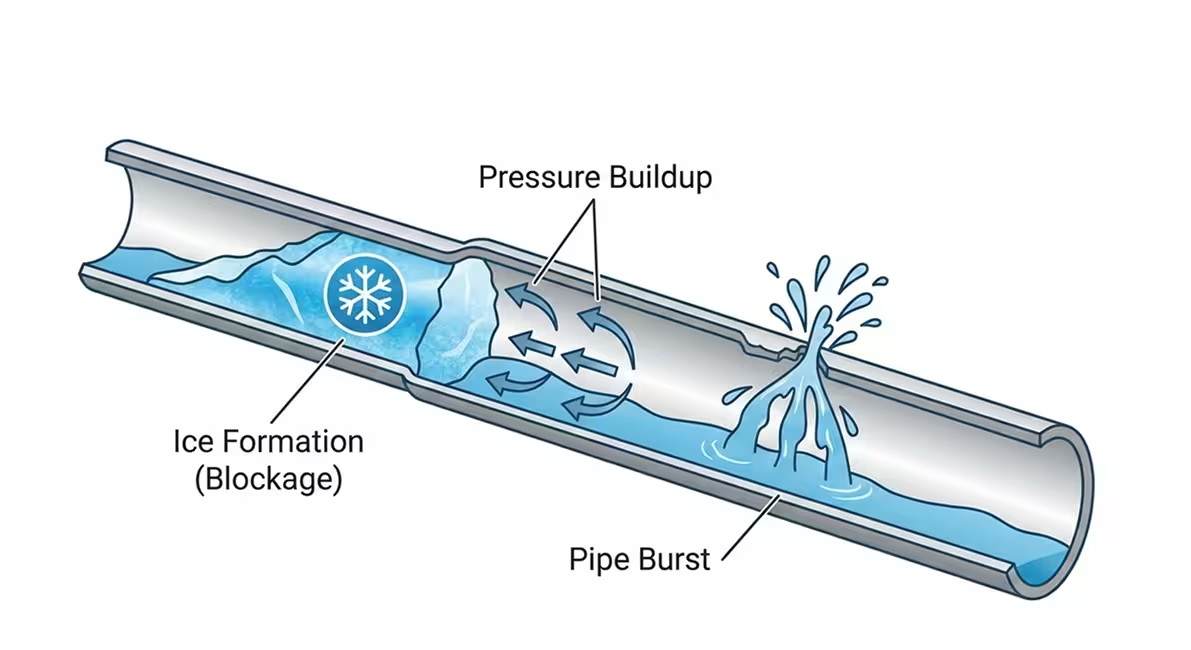
Because residents do not expect freezing weather, many pipes remain uninsulated. This makes plumbing frozen pipes a real risk during unusual cold snaps.
How to Prevent Frozen Pipes Before a Cold Snap Arrives
The most effective protection begins before temperatures drop. Even simple measures can significantly reduce the likelihood of pipe damage.
Insulating exposed pipes is one of the easiest and most reliable methods. Insulation sleeves made of foam or fiberglass keep more heat inside the pipe and slow freezing. Pipes located in garages, attics, crawl spaces, and exterior walls benefit the most from added protection.
Allowing warm indoor air to reach vulnerable pipes also helps. Opening cabinet doors under sinks encourages heat to circulate around the supply lines. Keeping interior doors open helps distribute warm air throughout the home.
Maintaining a consistent indoor temperature during the night is another important step. Short periods of severe cold are enough to freeze pipes when the thermostats are set too low. Letting a small trickle of water run from a faucet can relieve pressure buildup inside the pipe and keep water moving slowly enough to prevent freezing.
Homes with irrigation systems or outdoor faucets should shut off and drain these lines before temperatures fall. Standing water in outdoor plumbing is more likely to freeze quickly.
Warning Signs That Your Pipes May Be Freezing
When a pipe begins to freeze, several early symptoms may appear. Water flow at a faucet may slow unexpectedly. You may hear unusual sounds, such as gurgling or whistling, when you turn on a tap. Frost can form on the outside of exposed pipes. A noticeable drop in water pressure often indicates that ice is forming inside the line.
Recognizing these signs allows you to act quickly before the pipe bursts.
What to Do If Your Pipes Freeze
If you are dealing with frozen plumbing, the first step is to locate the affected pipe. Pipes in unheated spaces are usually the most vulnerable. Once you identify the problem area, begin warming the pipe gradually. Applying gentle heat prevents the pipe from cracking due to sudden temperature changes.
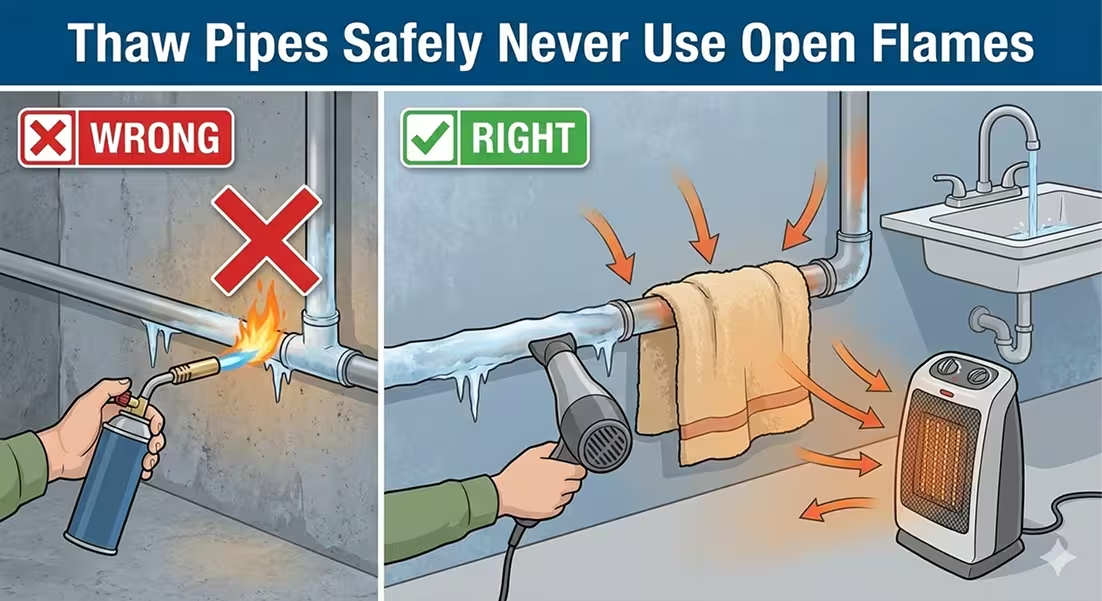
Safe heat sources include space heaters, warm towels soaked in hot water, or a hairdryer moved slowly along the pipe. Never use open flames or high-heat tools because these can damage pipes and create fire hazards.
Once the pipe begins to thaw, keep faucets open. This allows melted water and trapped pressure to escape safely. If you cannot locate the frozen section or water refuses to flow at all, it is safer to turn off the main water supply and contact a professional plumber.
A pipe that has frozen once is more likely to freeze again. After the immediate issue is resolved, take preventive steps to insulate and protect vulnerable areas.
How to Reduce Future Risk of Frozen Pipes in the Bay Area
Improving your plumbing protection after a cold snap helps reduce future incidents. Adding insulation to attics, crawl spaces, or garages boosts the overall temperature stability of the home. Sealing air leaks around windows, doors, and exterior walls prevents cold drafts from reaching plumbing lines.
Upgrading old or damaged pipes also provides protection. Modern materials such as PEX tolerate cold temperatures better than older metal or PVC lines. Installing smart leak detectors can alert you to freezing conditions or sudden water flow changes, even when you are away from home.
Bay Area weather may be mild most of the year, but rare cold events still pose risks. Preparing your plumbing system now ensures that a brief freeze does not become a major household emergency.
Conclusion
Protecting your plumbing during cold snaps requires attention to insulation, indoor temperature management, and early detection of freezing conditions. Taking the right steps before and during cold weather helps prevent burst pipes, costly water damage, and disruptions to your home. If you are unsure how to protect vulnerable plumbing lines or you need help addressing frozen pipes, contact IRBIS for expert assistance. Call (669) 312 3643 or reach out online for professional inspection and fast, reliable service.
During a repair visit, our technicians will inspect your A/C system, diagnose the problem, and provide you with repair options. Once you choose an option, we'll proceed with the necessary repairs. Afterward, we'll test the system to ensure it's working correctly and provide you with a detailed report.