

.avif)





Not every plumbing upgrade is created equal. Some are the ones homeowners ask for by name, some quietly prevent five-figure disasters, and some improve daily life in ways people don't fully appreciate until they've lived with them. Knowing how to maintain home plumbing systems means knowing which upgrades actually move the needle, and based on what our technicians see most often in real homes, five plumbing upgrades consistently stand out for the value they add: a smart leak detection and automatic shutoff system, a whole-house water repipe, a drain and sewer line replacement, a gas line repipe, and a whole-house water quality system. Here's what each one does, why it matters, and which upgrade tends to be the most overlooked, plus a few practical plumbing tips for deciding which one your home needs first.
1. Smart Leak Detection & Automatic Shutoff System
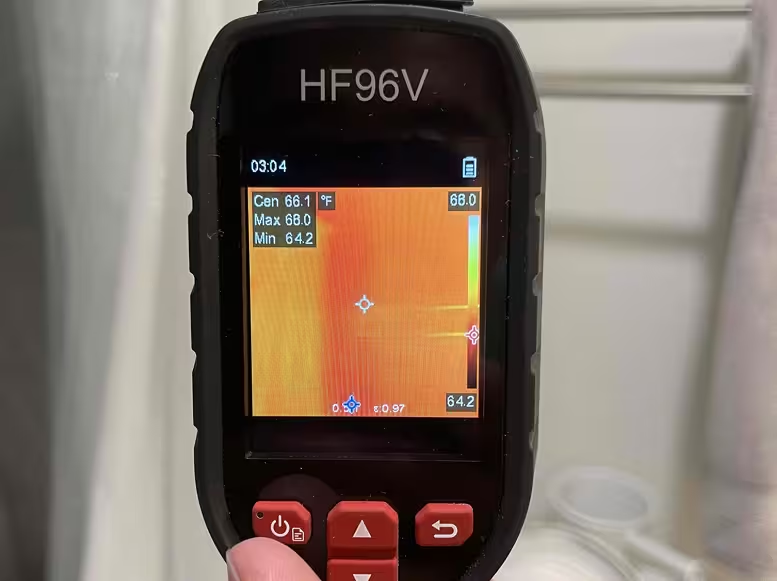
This is the upgrade homeowners ask for themselves; no recommendation needed. Smart leak detection and automatic shutoff systems, such as the Moen Flo Smart Water Monitor, have become one of the most requested upgrades in the industry, and increasingly it isn't just about peace of mind. Homeowners insurance providers are paying attention too: many carriers now offer discounts for installing one, and in some cases they're becoming close to an expectation rather than an option. These systems sit on the main water line and continuously monitor flow, pressure, and usage patterns. If they detect a sign of a leak, such as a pipe burst, a fixture left running, or even a slow drip building over time, they can automatically shut off the water supply before it turns into a flooded basement or a soaked drywall repair. For homes with older plumbing, vacation properties that sit empty for stretches of time, or anyone who's already dealt with the cost of water damage once, this upgrade tends to pay for itself the first time it does its job.
2. Whole-House Water Repipe
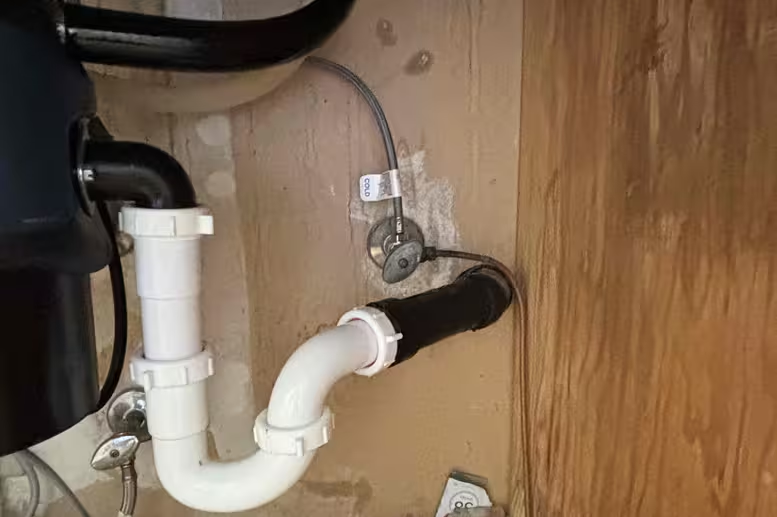
A home with old galvanized or polybutylene supply pipes is prone to reduced water pressure, discoloration, and an increasing frequency of leaks as the material corrodes from the inside out. A whole-house repipe replaces the aging supply lines throughout the home in one project, eliminating that risk instead of requiring repeated repairs to the same failing system. It's a bigger investment than a single repair, but it's also one of the most valuable upgrades for exactly that reason: it solves the problem completely instead of buying a few more years. For homes built before the 1980s, or anywhere pressure and water quality have been steadily declining, a repipe is often the upgrade that makes every other plumbing fixture in the house work the way it's supposed to again.
3. Drain & Sewer Line Replacement
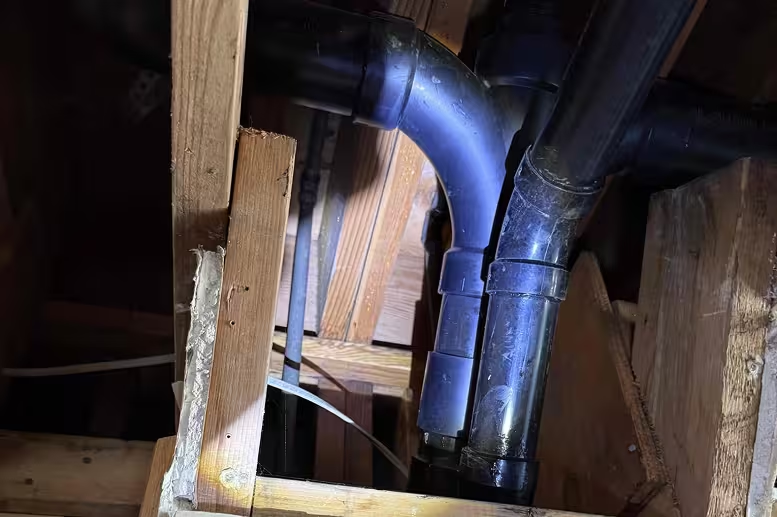
Underground pipes fail quietly until they don't. Aging clay or cast iron sewer lines are vulnerable to root intrusion, cracking, and collapse, while old drain lines inside the home can develop the same buildup and corrosion issues as supply pipes. Replacing a main sewer or drain line means homeowners stop budgeting for the next backup and start simply living in their home without wondering when the next clog or collapse will happen. As a whole-house repipe, this is a larger project, but it's consistently one of the most worthwhile ones, since it removes a recurring problem at its source rather than patching it repair by repair.
4. Gas Line Repipe
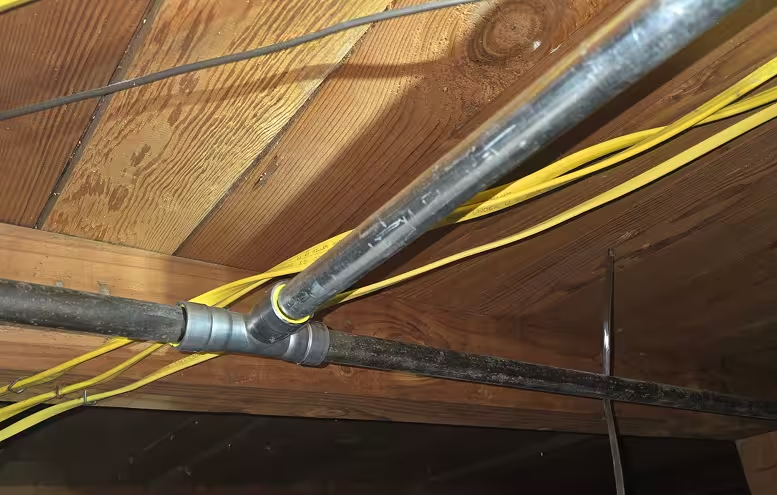
Older gas lines, especially in homes with older galvanized or undersized piping, can develop corrosion, pressure issues, or simply lack the capacity for modern appliances like a tankless water heater, a gas range, or a whole-house generator. A gas repipe brings the system up to current standards and capacity, which matters both for safety and for enabling other upgrades homeowners often want down the line. It's a less visible upgrade than most on this list, but for older homes it's frequently the one that unlocks everything else.
5. Whole-House Water Quality Systems
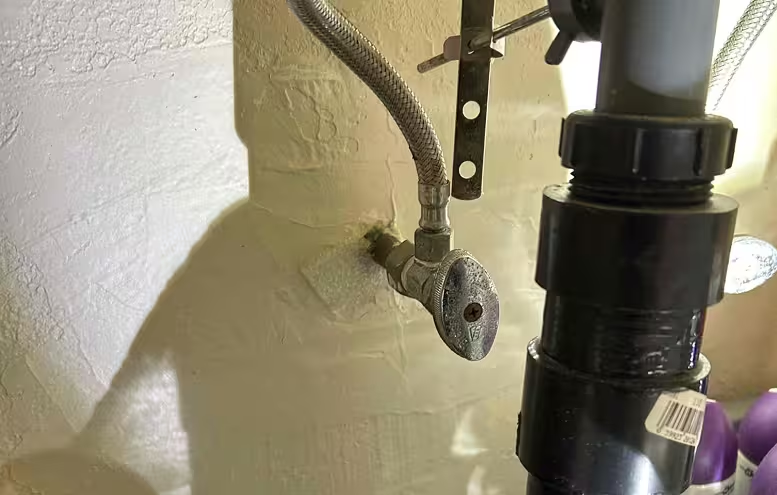
If there's one category homeowners consistently underrate, it's water quality. Leak detection systems get attention because they prevent visible disasters, but whole-house filtration systems, water softeners, and reverse osmosis drinking water systems tend to fly under the radar, right up until someone actually has one installed. Hard water quietly shortens the lifespan of water heaters, dishwashers, and washing machines through mineral buildup, while also leaving spots on dishes, film on skin and hair, and scale inside pipes that gradually restricts flow. A whole-house filtration system or softener addresses all of that at the source, and a reverse osmosis system at the kitchen sink takes it a step further for drinking water specifically, removing contaminants that a standard filter or softener won't touch. Most homeowners don't realize the difference until they've lived with better water for a few weeks: cleaner-tasting drinking water, less soap needed for the same results, and appliances that last longer. It's not a flashy upgrade, but it's one of the few that homeowners consistently say they wish they'd installed sooner.
Which Upgrade Is Right for Your Home?
One of the simplest plumbing tips we give homeowners is this: the right upgrade depends on what your home actually needs, not what's trending. If you have older pipes or have already dealt with a leak, a smart shutoff system is a relatively small investment with an outsized payoff. If your water lines, drain lines, sewer line, or gas line are aging or already showing signs of trouble, a full repipe or line replacement is the upgrade that stops the problem from coming back for good. And if no one in your household has thought twice about water quality, it might be worth a second look, since it's consistently the upgrade people wish they'd made earlier. A licensed plumber can walk your home and tell you which of these five makes the most sense for your specific situation, your budget, and your plans for the property, so call IRBIS at +1 (669) 312-3643 or contact us online to get started.
During a repair visit, our technicians will inspect your A/C system, diagnose the problem, and provide you with repair options. Once you choose an option, we'll proceed with the necessary repairs. Afterward, we'll test the system to ensure it's working correctly and provide you with a detailed report.