


.avif)





A leaky pipe can be fixed using temporary solutions such as repair tape, epoxy putty, or pipe clamps, as well as permanent methods like tightening joints, replacing fittings, or cutting out and replacing the damaged section of pipe. Even a small leak can quickly lead to water damage, mold growth, and higher utility bills if it is not addressed promptly.
Leaking pipes are one of the most common plumbing issues homeowners face. Whether the problem is caused by a loose joint, a pinhole leak, or corrosion-related cracking, understanding how to diagnose the issue and apply the correct repair method gives you control over the situation and helps protect your property.
This guide explains how to identify the source of a leak, choose the appropriate repair approach, and apply solutions ranging from short-term fixes to permanent repairs.
How to Identify a Leaky Pipe
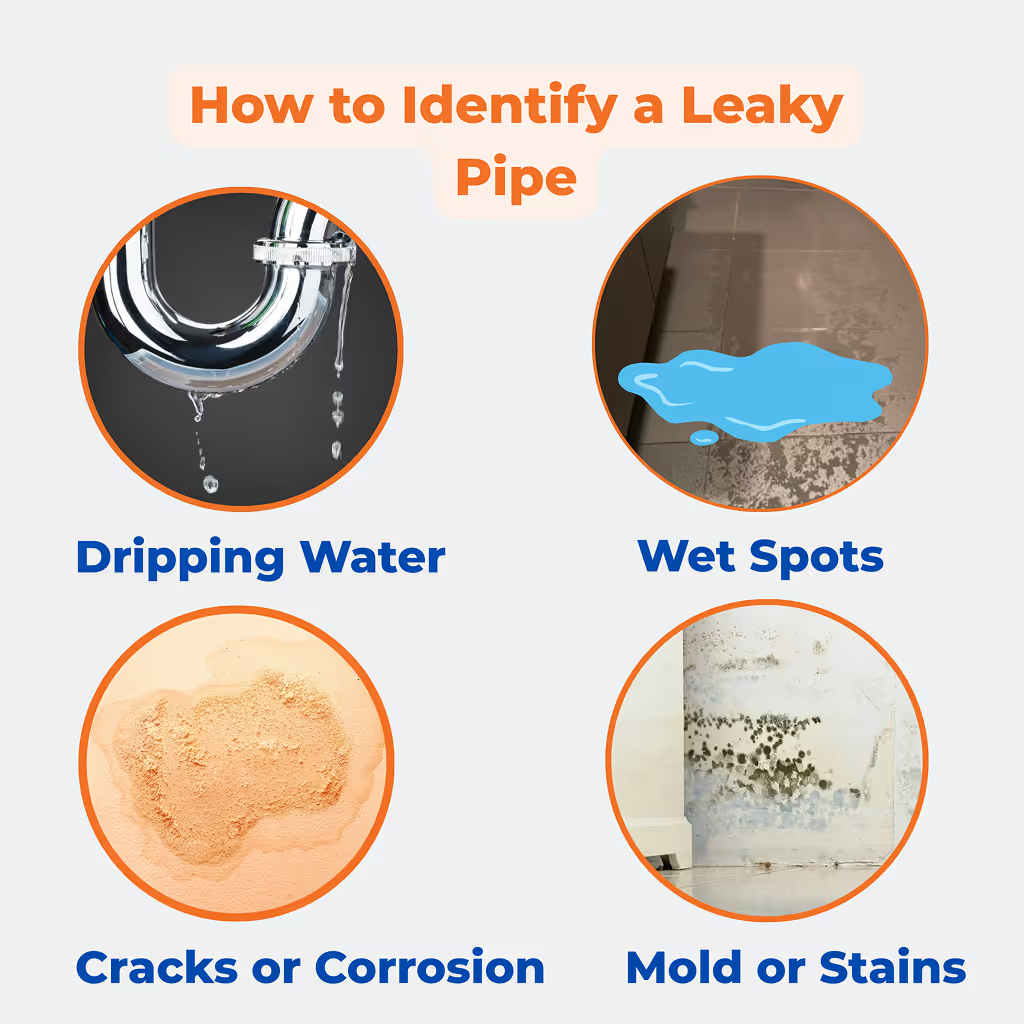
You can identify a leaky pipe by looking for moisture, water stains, dripping, or other signs like discoloration or swelling of surrounding materials.
Detecting the exact source of a leak can be more challenging than it seems. Water does not always drip directly from the damaged area; it often travels along the exterior of the pipe and accumulates at a low point. For effective leak repair, begin by drying the suspected section completely. Once the surface is clean, observe it. Moisture that reappears indicates the precise point where the leak begins.
Leaks in exposed pipes are usually easy to identify, but leaks behind walls or ceilings often reveal themselves indirectly. You may notice discoloration, bubbling paint, a musty odor, or swelling of drywall. In such cases, determining the location of the leak becomes a combination of visual inspection and logical tracing of nearby plumbing runs.
Safety Measures Before Beginning Pipe Leak Repair
Before you attempt any pipe leak repair, shutting off the water supply is essential. This prevents the leak from worsening while you work and reduces the chance of accidental flooding. Releasing remaining pressure in the line is another important step; simply open the nearest faucet to allow trapped water to drain.
Prepare the work area by placing a bucket or towels underneath the pipe. If electrical wiring, appliances, or outlets are located in the wet zone, turn off power to that circuit. Water and electricity are an extremely dangerous combination, and ignoring this precaution can lead to serious injury.
Common Methods for Fixing a Leaky Pipe
Leaky pipes can be repaired temporarily with tape, epoxy putty, or clamps, or permanently by replacing the damaged section or fixing faulty joints.
Not all leaks are the same, so an effective pipe repair method depends on the nature and severity of the damage. Below are detailed explanations of the most reliable approaches.
Temporary Repairs
Temporary solutions work best when you need to stop the leak quickly and safely until a permanent repair can be made. They are especially useful in emergencies or at times when parts and tools are not immediately available.
One of the most frequently used temporary methods involves pipe repair tape. This tape is designed to bond tightly to the surface of the pipe and create a waterproof layer. To apply it correctly, the pipe must be dry and clean. Wrapping the tape with firm tension ensures that it forms a strong seal. Although this method can stop the leak for a while, it should not be considered a long-term solution.
Epoxy putty offers a more durable temporary fix. Once mixed, the putty hardens into a solid material capable of sealing small cracks, holes, or weak spots. The effectiveness of the repair depends on how well the surface is prepared. Any dirt, grease, or moisture will weaken the bond. After applying the putty, give it enough time to cure before restoring water pressure.
Pipe clamps can also stop leaks quickly. A rubber patch is placed over the damaged area, and a metal clamp secures it in place. This method works well for leaks on straight sections of pipe and is often used when homeowners need immediate control of water flow.
Permanent Repairs
While temporary methods stop water loss, they do not address the actual damage. Permanent pipe leak repair removes the compromised section of the pipe and restores structural integrity.
If the leak occurs at a joint, the first step is to examine the connection. Threaded fittings may only require tightening, although overtightening can worsen the problem. When the threads are worn or contaminated, removing the fitting, cleaning the connection, and reapplying plumber’s tape often resolves the issue. For compression or push-to-connect fittings, replacing the worn components usually solves the leak.
When the pipe itself is damaged, the only dependable solution is to replace the affected segment. This involves cutting out the compromised area, preparing the pipe ends, and installing a new section using couplings suitable for the pipe material. Copper pipes may require soldering, while PVC or PEX connections are typically made using solvent cement or mechanical fittings. This type of pipe repair eliminates the risk of future failure and restores the system’s reliability.

When to Avoid DIY Leak Repair
Some leaks require a professional plumber, especially those inside walls, under floors, above ceilings, or involving burst pipes.
Leaks located inside walls, beneath floors, or above ceilings often affect structural materials and are difficult to assess without specialized equipment. If the plumbing system shows signs of widespread corrosion or deterioration, a single repair may not be enough. Repeated leaks are another sign that the system is nearing the end of its useful lifespan and should be inspected by a licensed plumber.
Burst pipes or leaks caused by freezing temperatures require immediate professional assistance. These situations typically involve large volumes of water and pose a risk of extensive damage.
Preventing Future Pipe Leaks
Prevention plays a major role in maintaining a reliable plumbing system. Regular inspections help identify early signs of wear before they become major failures. Keeping pipes insulated in cold climates reduces the risk of freezing and bursting. Monitoring water pressure is equally important; excessive pressure places constant strain on fittings and joints, which eventually leads to leaks. Installing a pressure regulator is often an inexpensive way to extend the life of your plumbing.
Avoiding harsh chemical drain cleaners is another protective measure. Many cleaners contain substances that degrade pipe material over time. Enzymatic or mechanical drain cleaning methods are safer and more effective.
Conclusion
Knowing how to fix a leaky pipe allows homeowners to act quickly and prevent serious water damage. Accurate leak identification and the right repair method are essential, whether you use a temporary seal or replace the damaged section for a long-term solution. Some leaks signal larger issues in the plumbing system, and professional evaluation may be necessary to avoid recurring problems.
If you are concerned about a leak or want a reliable inspection before the situation gets worse, call +1 (669) 312 3643 or contact IRBIS online to schedule expert leak repair service. With professional diagnostics, clear communication, and skilled workmanship, you can restore your plumbing system and your peace of mind as quickly as possible.
During a repair visit, our technicians will inspect your A/C system, diagnose the problem, and provide you with repair options. Once you choose an option, we'll proceed with the necessary repairs. Afterward, we'll test the system to ensure it's working correctly and provide you with a detailed report.