Winter in the Bay Area brings wind, heavy rain, and falling branches, and with them come power outages. Sometimes the lights flicker for a few seconds. Sometimes a storm or a planned PG&E shutoff leaves a neighborhood dark for hours. Either way, your heating system is one of the first things you notice when the power goes out, and one of the most important things to bring back safely when it returns.
Here is what happens to your furnace or heat pump during an outage, how to restart it the right way, and what our technicians recommend doing to protect your equipment before the next storm.
What Happens to Your Heating System When the Power Goes Out
All modern heating systems need electricity, including gas furnaces. A gas furnace uses power for its blower, igniter, control board, and safety sensors, so it shuts down along with everything else. A heat pump runs entirely on electricity, so it stops completely.
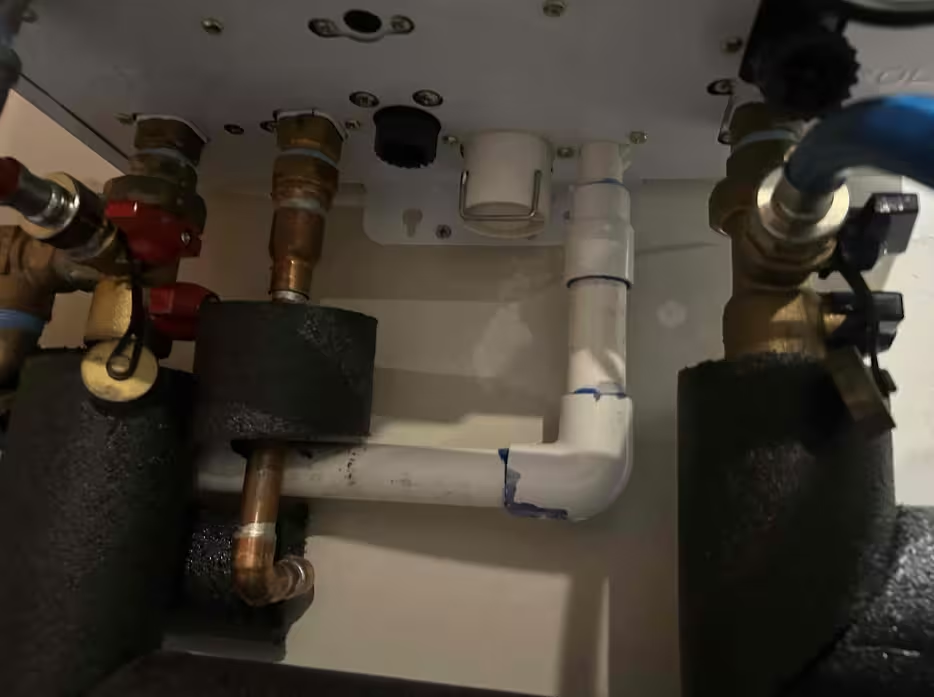
In most cases, the system simply turns back on when power is restored. The real risk is not the outage itself but the moment the power comes back. When the grid restarts, it can send a surge of voltage through your home’s wiring. Sensitive electronics in your furnace or heat pump, like control boards and motors, can be damaged by that spike. Lightning and repeated flickering on and off during a storm can do the same.
That is why we recommend thinking about surge protection before winter, not after something fails.
How to Restart Your Furnace or Heat Pump After an Outage
Once the power is back, your system should start on its own. If it doesn’t, our technicians recommend checking these things before you call for service:
- Check the thermostat. Make sure it has power, the screen is on, and it is set to heat at a temperature above the current room temperature. Some thermostats reset to default settings after an outage.
- Check the circuit breakers. Look at your electrical panel for any breaker that has tripped, especially the ones labeled for the furnace, air handler, or outdoor unit. Reset it once.
- Check the air filter. A heavily clogged filter can cause the system to overheat and shut itself off, which is easy to confuse with an outage problem.
- Give it a few minutes. Many systems have a built-in delay that protects the equipment on startup, so the heat may not come on instantly.
If the system still won’t start, or if the breaker trips again after you reset it, stop there. A breaker that keeps tripping is a sign of an electrical problem, and resetting it over and over can make things worse. That is the moment to call an HVAC professional.
Safety Mistakes to Avoid During and After an Outage
Outages are stressful, and that is when people take shortcuts. Here is what we recommend keeping in mind:
- Watch for warning signs after power returns. Power outages and surges can blow fuses or cause short circuits. If you notice a burning or unusual smell, see damaged or scorched wiring, or the breaker trips repeatedly, turn the system off and call a professional.
- Never run a generator indoors. That includes the garage, even with the door open. Generators produce carbon monoxide, which is odorless and deadly. Keep them outside and well away from windows, doors, and vents.
- Don’t use a gas oven or stove to heat your home. These appliances are not designed for space heating and can create a dangerous buildup of carbon monoxide.
- Test your carbon monoxide detectors. Make sure they have working batteries, especially if they are hardwired and may not work during an outage without a battery backup.
Maintenance Is Your Best Storm Protection
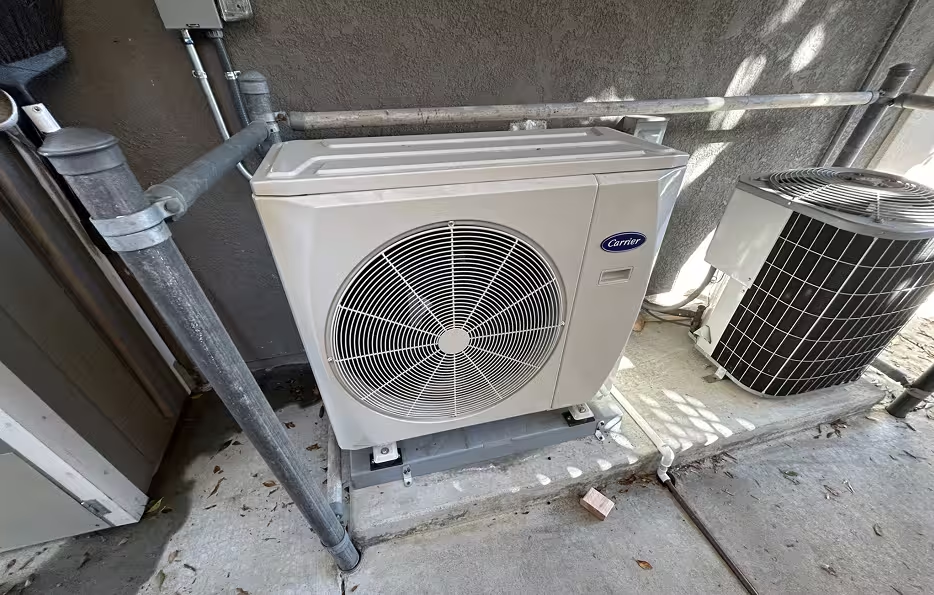
A well-maintained system handles outages and restarts far better than a neglected one. We recommend having a professional inspect your HVAC system at least twice a year, ideally once before the heating season and once before summer.
Between visits, there are a few things you can do yourself:
- clean or replace your air filter regularly;
- check that the condensate drain pan isn’t filled with water;
- keep the area around your outdoor unit clear of leaves and branches.
These small habits help your system restart cleanly and make it easier to spot problems early.
Are Surge Protectors and Generator Hookups Worth It?
For many homes, yes. A whole-home surge protector is the simplest place to start. It is installed at your electrical panel and helps shield your HVAC equipment and the rest of your home’s electronics from voltage spikes when the power comes back. Considering what a new control board or compressor costs, it is a relatively small investment.
If you want power during an outage, not just protection after it, there are two main options. A generator hookup is the traditional choice and can keep essential systems, including your heating, running while the grid is down. A home battery, such as a Tesla Powerwall, is a quieter option with no fuel to store and no exhaust, which also removes the carbon monoxide risk that comes with generators.
Solars, Home Batteries and Smart Electrical Panels
If you already have solar panels, a battery is especially worth considering. Most grid-tied solar systems shut off automatically during an outage for safety, so without a battery your panels won’t power your home when the lights go out. With a battery, the energy your panels produce during the day can be stored and used when you need it.
A smart electrical panel, such as a SPAN panel, can make a battery go much further. It works with home batteries and lets you choose which circuits receive backup power during an outage, so you can keep critical loads like the refrigerator, Wi-Fi, lights, and medical devices running while turning off everything else. Keep in mind that heating systems, especially heat pumps, draw a lot of power, so how long a battery can keep your heat on depends on its capacity and on what else is connected.
The right setup depends on your home, your electrical panel, your heating system, and how often you lose power. A licensed electrician can help you compare the options and install the one that makes sense for you.
Quick Checklist Before Storm Season
- Schedule a fall maintenance visit for your furnace or heat pump.
- Replace your air filter.
- Make sure you know where your electrical panel is and which breakers control your HVAC system.
- Test your carbon monoxide detectors and replace batteries.
- Ask about a whole-home surge protector.
- If you have a generator, make sure it can be used safely outdoors and is connected correctly.
Get Your System Ready for Storm Season
IRBIS Air, Plumbing & Electrical helps homeowners across San Jose and the Bay Area keep their heating systems safe and reliable all winter. From furnace and heat pump maintenance to surge protection and generator hookups by licensed electricians, our team can make sure your home is ready before the next storm. Call us at +1 (669) 312-3643 or contact us online today.
During a repair visit, our technicians will inspect your A/C system, diagnose the problem, and provide you with repair options. Once you choose an option, we'll proceed with the necessary repairs. Afterward, we'll test the system to ensure it's working correctly and provide you with a detailed report.