


.avif)





If you’ve requested multiple quotes for a furnace replacement in the Bay Area, you may have noticed something confusing — the prices can vary a lot.
That’s a normal case.
Replacing a furnace isn’t just a swap of the old unit for a new one. The final cost depends on several factors, such as the equipment you choose, the condition of your duct system, permit requirements, and the amount of work needed to install the new system safely and correctly.
A properly installed furnace must be
- Correctly sized for your home
- Installed according to local building codes
- Connected to a duct system that delivers balanced airflow
- Tested and inspected to ensure safe operation.
In this article, we’ll go through the main factors that influence furnace replacement costs in Bay Area, so you better understand what goes into a professional installation — and why quotes may differ.
Furnace Size, Efficiency, and Features
Not all furnaces are the same, even if they look similar on paper.
Equipment cost can vary significantly depending on:
- Furnace heating capacity
- Efficiency rating (AFUE)
- Performance features
For example, furnaces with a higher AFUE rating (Annual Fuel Utilization Efficiency) typically cost more than lower-efficiency models.
Advanced furnace designs can also increase equipment cost, including:
- Two-stage heating systems
- Modulating furnaces
- Variable-speed blower motors
These features improve comfort and efficiency, but they also increase the price of the equipment itself.
Proper Furnace Sizing (Manual J Load Calculation)
%201.avif)
One of the most important steps in a furnace replacement is proper system sizing.
A furnace should never be sized by simply copying the capacity of the existing unit. Older systems were often oversized, which can lead to:
- Short cycling
- Uneven temperatures
- Higher energy bills
- Reduced equipment lifespan
Instead, reputable HVAC contractors perform a Manual J load calculation.
Manual J is an ANSI-recognized industry standard used to determine the heating requirements of a home. The calculation evaluates factors such as:
- Home size and layout
- Insulation levels
- Window type and placement
- Air leakage
- Local climate conditions
This ensures the furnace is sized correctly for consistent comfort and efficient operation.
Permits and Inspections
In most Bay Area cities, furnace replacement requires a permit and inspection.
Permits protect homeowners by ensuring the installation meets local safety and building codes.
For example:
- The City of San Jose lists furnace replacements as online permit-eligible projects.
- Cities such as Milpitas also require permits and inspections depending on the type of furnace being installed.
Permit costs and inspection coordination are typically included in a professional installation quote.
Title 24 and Energy Testing
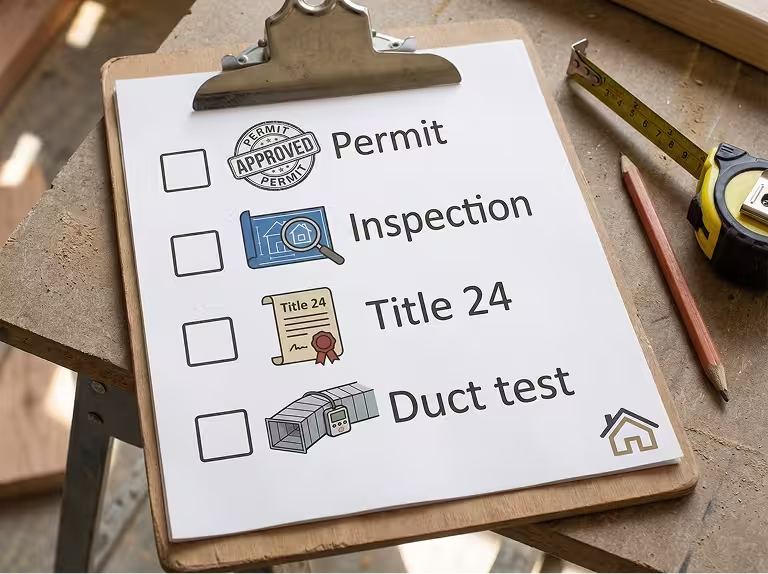
California’s energy efficiency regulations, known as Title 24, can also influence furnace replacement cost.
Depending on the scope of the project, contractors may need to perform additional testing and documentation to confirm the system meets state efficiency requirements.
One common requirement is duct leakage testing, which measures how much conditioned air escapes through the duct system.
Title 24 compliance may involve:
- Duct leakage testing
- HERS verification
- Energy compliance documentation
Not every project triggers every requirement. However, if the installation includes ductwork changes, airflow adjustments, or system upgrades, these steps may be necessary to meet California energy standards.
Ductwork Condition and Airflow
The duct system plays a major role in how well a furnace performs.
Even a high-quality furnace cannot solve comfort problems if the duct system is:
- Leaking air
- Improperly sized
- Poorly balanced
- Obstructed or damaged
These issues are common in older homes throughout the Bay Area and often lead to rooms that feel too hot, too cold, or slow to heat.
If duct problems are identified during the installation process, the contractor may recommend improvements such as:
- Duct sealing
- Duct repairs
- Resizing duct runs
- Airflow balancing
While these adjustments can add to the project cost, they can also make a significant difference in comfort and system efficiency.
Venting Changes (Especially for High-Efficiency Furnaces)
Upgrading to a high-efficiency furnace can sometimes require changes to the venting system.
Older furnaces often use metal vent pipes connected to the chimney or vertical vent. High-efficiency furnaces, on the other side, operate differently and may require
- New vent materials (often PVC)
- Different vent routing
- Updated vent termination points
- Condensate drainage
Because of these changes, what initially appears to be a simple equipment replacement can sometimes become a more involved installation.
Gas, Electrical, and Safety Updates
Another reason furnace replacement quotes vary is the need to bring certain components up to modern safety standards.
Depending on the age and condition of the existing installation, updates may be needed for:
- Gas line connections
- Electrical wiring
- Shutoff valves
- Safety switches
These issues are not always visible until the contractor evaluates the existing system, particularly in older homes that may have undergone multiple renovations over the years.
Access and Installation Difficulty
The location of the furnace can also influence installation cost.
Furnaces installed in attics or tight closets are typically more challenging to replace than systems located in garages or mechanical rooms.
Limited working space may affect:
- Labor time
- Equipment options
- Service clearances
- Venting and drain routing
Even when installing the same furnace model, the complexity of the installation can vary significantly depending on access and layout.
Upgrades And Add-Ons That Change The Final Number
Many homeowners bundle improvements during a replacement because the system is already being opened up. Common add-ons include better filtration, thermostat upgrades, zoning adjustments, duct sealing, or addressing comfort complaints that have existed for years. These can be great investments, but they will change the total scope and cost.
Seasonal Demand and Scheduling
Timing can also influence furnace replacement projects.
During colder months, demand for heating services increases significantly. This can affect scheduling availability and the coordination of permits, inspections, and equipment delivery.
Planning ahead, particularly before peak winter demand, can often provide more scheduling flexibility.
What Usually Increases Furnace Replacement Cost the Most
- A higher-efficiency furnace (AFUE) or advanced features like modulating heat and variable-speed airflow
- Correct sizing based on a Manual J load calculation rather than reusing the old size
- Permit and inspection requirements in your city
- Duct repairs, resizing, or leakage testing and documentation when the scope triggers Title 24 or HERS steps
- Venting and condensate-related scope changes when upgrading equipment type or efficiency level
- Access challenges (attic, tight closet, complex routing) and safety or utility updates
Questions to Ask When Comparing Furnace Replacement Estimates
When reviewing furnace replacement quotes, it can be helpful to ask a few key questions:
- Is the furnace sized using a Manual J load calculation, or is the estimate based on the existing unit?
- Does the quote include permits and inspections required by my city?
- Will the duct system be evaluated for airflow and leakage?
- If I upgrade to a high-efficiency furnace, will venting or condensate drainage need to change?
- What testing and commissioning steps are performed after installation?
These questions can help ensure the system is installed correctly and performs as expected.
Rebates and Incentives
Depending on the equipment you choose, you may qualify for utility or state incentives.
PG&E maintains a rebate and incentive program hub that can help homeowners identify available programs.
For homeowners considering a heat pump HVAC system, the TECH Clean California program offers income-qualified HEEHRA rebates of up to $8,000 (and up to $4,000 for moderate-income households), depending on eligibility and program rules.
Federal tax credits for certain home energy improvements ended for equipment placed in service after December 31, 2025, so they are generally not available for installations completed in 2026.
Final Thoughts
In the Bay Area, furnace replacement cost is influenced by two main factors: the equipment you choose and the work required to install it properly.
A lower quote is not always the best value if it overlooks permits, airflow problems, or compliance requirements that may surface later.
A professional installation should ensure the system is properly sized, safely installed, code-compliant, and capable of delivering consistent comfort throughout the home.
If you would like help selecting the right furnace, confirming proper sizing, and scheduling a clean, code-compliant installation, please call +1 (669) 312-3643 or contact us online to schedule a consultation.
FAQ
[[faq|name=Why can furnace replacement quotes vary so much in the Bay Area?|text=Furnace replacement cost includes more than just the equipment. Prices can vary depending on permits, energy compliance requirements, ductwork condition, venting changes, installation difficulty, and any gas or electrical updates needed for safety.]]
[[faq|name=Is it really necessary to do a Manual J load calculation?|text=Yes if you want the system to feel right in the house. Manual J helps size the furnace for your home’s layout, insulation, windows, and climate. Reusing the old furnace size can lead to short-cycling, uneven temperatures, or a system that runs constantly.]]
[[faq|name=Do I need a permit to replace a furnace in the Bay Area?|text=Often, yes. Many Bay Area cities require a permit and inspection for furnace replacement, even for a same-location swap. This is one reason quotes include permit and compliance line items.]]
[[faq|name=How does ductwork affect furnace replacement cost?|text=If ducts are leaking, undersized, blocked, or poorly balanced, a new furnace will not fix comfort issues. Duct repairs, sealing, resizing, or balancing can add cost, but they can also be the difference between “it turns on” and “every room is comfortable.”]]
[[faq|name=Why do venting changes increase the cost, especially with high-efficiency furnaces?|text=Upgrading to a higher-efficiency furnace can require different vent materials, new vent routing, updated termination locations, and condensate drainage. These changes increase labor and parts and may require additional inspection steps.]]
[[faq|name=What should I ask a contractor before choosing an estimate?|text=Ask whether the quote includes Manual J sizing, permits and inspections, evaluation of ductwork and airflow, any expected venting or condensate changes, and what testing/commissioning is included after installation so the system is actually set up correctly.]]
During a repair visit, our technicians will inspect your A/C system, diagnose the problem, and provide you with repair options. Once you choose an option, we'll proceed with the necessary repairs. Afterward, we'll test the system to ensure it's working correctly and provide you with a detailed report.