


.avif)





Your furnace filter is usually located either inside the furnace cabinet near the blower, in the return air duct behind a grille, or in a side filter rack attached to the furnace or air handler. Knowing its exact location ensures you can replace it regularly and maintain a healthy, efficient heating system.
Many homeowners are unsure of the location of their furnace filter until the moment they need to replace it. Since every bit of air moving through your HVAC system passes through this filter, understanding exactly where it is and how to access it is essential for maintaining a healthy and efficient heating system.
This guide explains what a furnace looks like, how the filtration system is arranged, where the filter is typically installed, and how to identify and replace your heater filter correctly.
What Does a Furnace Look Like? Understanding the Unit Before Finding the Filter
A furnace is a rectangular metal appliance that contains the blower, heat exchanger, and a slot for the filter. Understanding its structure makes finding the filter much easier.
Most furnaces are installed in basements, attics, garages, utility closets, or crawl spaces. Key components include:
- Air intake section – pulls in indoor air.
- Blower compartment – circulates air through the ducts.
- Heat exchanger – warms the air.
- Filter compartment – where the furnace filter is positioned.
The filter is always installed before the blower and heat exchanger to trap dust and protect the system.
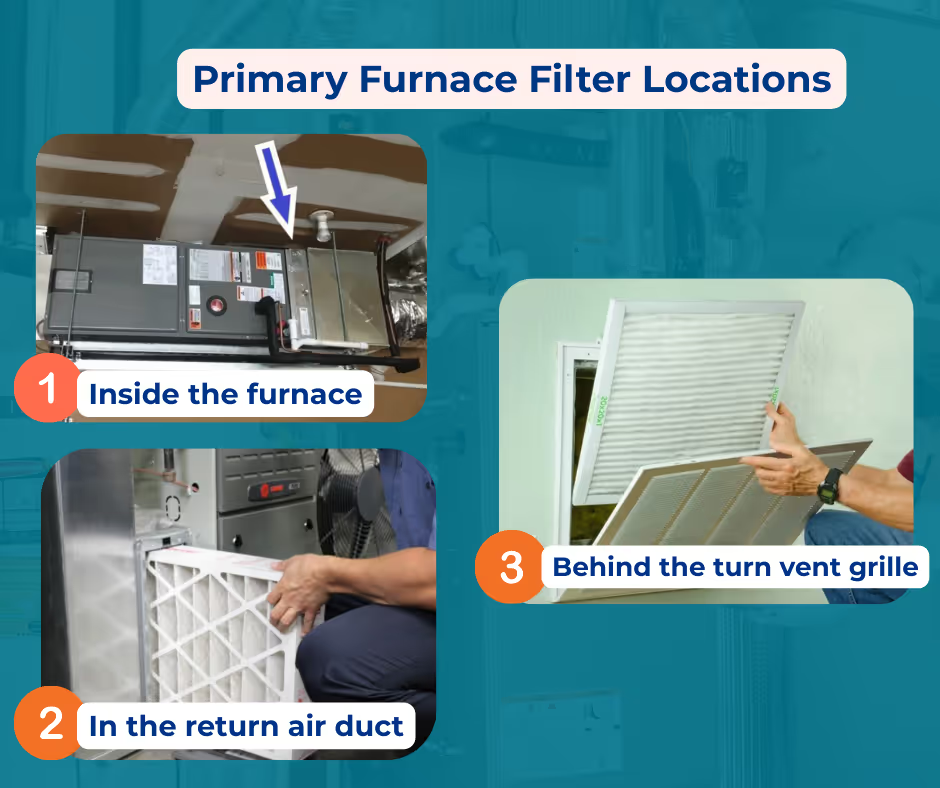
Primary Furnace Filter Locations
Furnace filters are usually found in one of three main areas: inside the furnace, in the return air duct, or in a side filter rack.
1. Inside the Furnace Cabinet (Blower Compartment)
Most commonly, the filter sits inside the furnace cabinet in front of or beside the blower.
A removable front or side panel provides easy access. Some homeowners overlook this area, thinking it’s not meant to be opened, but manufacturers design these panels for routine filter changes.
2. In the Return Air Duct or Return Grille
Some systems place the filter behind a large return grille inside the home.
Opening the grille makes the filter immediately visible. This setup keeps dust out of the ductwork and is convenient for regular maintenance.
3. In a Side Filter Rack Attached to the Furnace or Air Handler
Horizontal furnace installations, such as those found in attics or crawl spaces, often use a metal filter rack on the side of the unit. The filter slides into the rack and is secured by a small door or panel.
This setup allows the furnace to accommodate larger filters or high-efficiency media filters.
Additional, Less Common Filter Locations
Some homes may have a setup that places the filter in a more unusual but still logical position.
Between the Furnace Cabinet and the Return Plenum
In this configuration, the filter is inserted into a slot between the furnace and the duct system that returns air to the unit.
Inside Ceiling or Wall Return Chases
Certain older homes or custom installations hide the filter behind an access panel in a wall, ceiling, or attic chase. The principle remains the same: the filter is always placed before the blower in the airflow path.
How to Identify the Filter Once You Find It
A furnace filter is a rectangular panel with an arrow showing airflow direction toward the blower.
Filters can be made of fiberglass, pleated synthetic fibers, or electrostatic materials. Installing it backward reduces efficiency and airflow.
Why Knowing Your Furnace Filter Location Matters
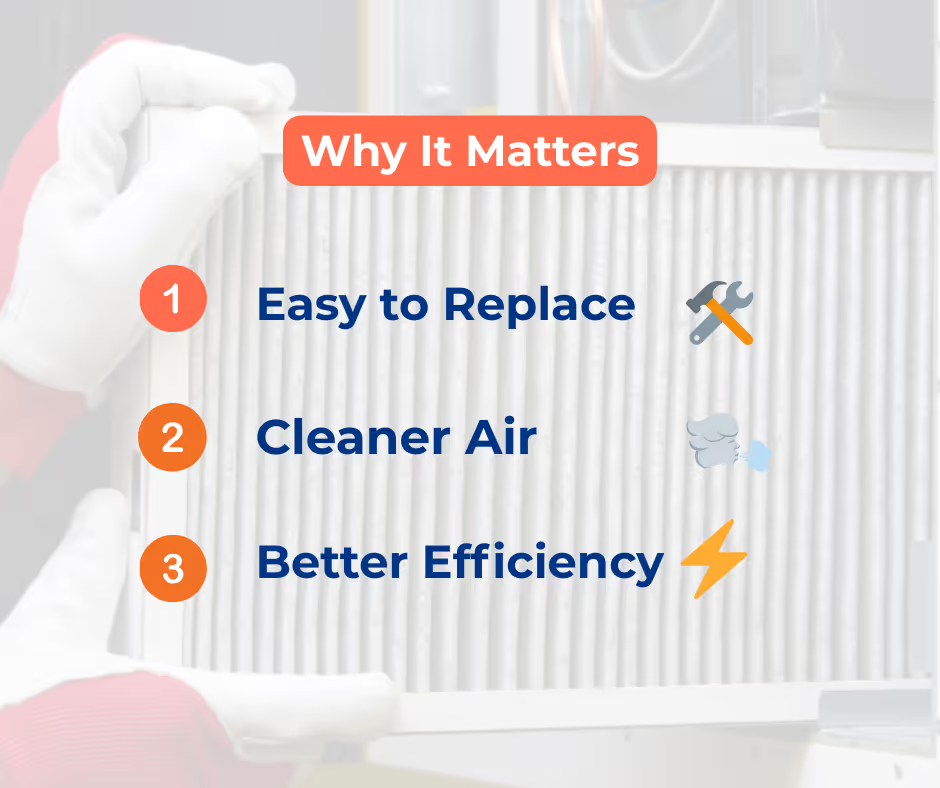
Proper filter placement and replacement play a major role in overall system performance. A clogged filter can lead to higher energy bills, inefficient heating, and poor indoor air quality. Dust buildup inside the heat exchanger and blower can cause overheating or reduce the lifespan of the equipment.
Most manufacturers recommend inspecting the filter once every 30 days and replacing it every 1 to 3 months, depending on household conditions. Homes with pets or residents who suffer from allergies may need more frequent replacements.
How to Replace a Furnace Filter Correctly
Replacing your filter is simple if you know its location.
- Turn off the furnace.
- Locate the filter using the tips above.
Remove the old filter and check its size. - Insert the new filter with the airflow arrow pointing toward the furnace.
- Close panels and turn the system back on.
- Optionally, write the installation date on the filter for easier tracking.
Conclusion
Understanding where your furnace filter is located and how it fits into the airflow path makes routine maintenance easier and more effective. Making filter replacement a regular habit is one of the simplest ways to avoid unnecessary repairs and extend the life of your furnace.
If you have questions about your heating system, need help locating or replacing your furnace filter, or want professional maintenance, IRBIS Air, Plumbing & Electrical is here to help Bay Area homeowners keep their systems running efficiently and reliably.
Call +1 (669) 312 3643 or contact IRBIS through the website to schedule a consultation. A licensed technician can inspect your system, answer your questions, and make sure your home stays warm and energy-efficient all winter long.
During a repair visit, our technicians will inspect your A/C system, diagnose the problem, and provide you with repair options. Once you choose an option, we'll proceed with the necessary repairs. Afterward, we'll test the system to ensure it's working correctly and provide you with a detailed report.