


.avif)





As summer temperatures rise, your air conditioning system becomes the hardest-working appliance in your home. To ensure it doesn't fail you when you need it most, a professional tune-up is essential. But what exactly happens when a technician arrives at your door?
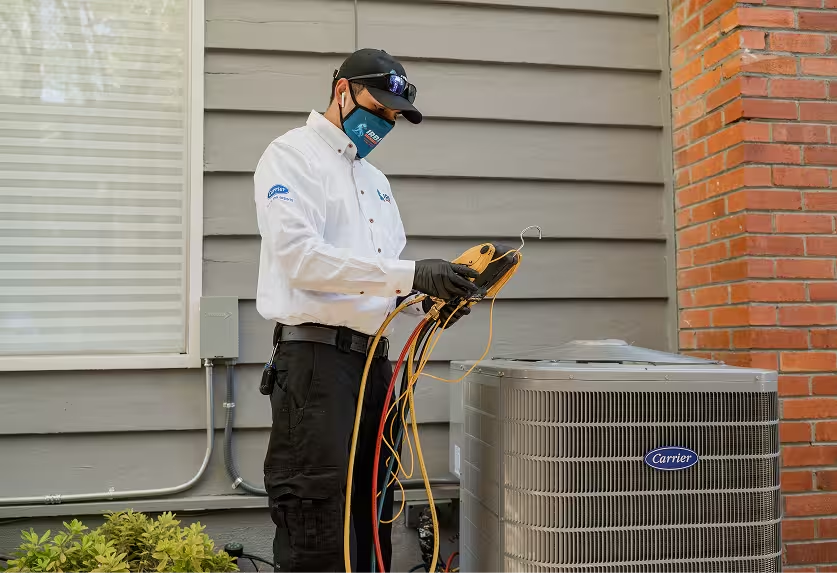
A high-quality home air conditioner maintenance visit is more than just a quick glance and a filter change. It is a comprehensive performance audit. If you want to ensure your system remains efficient and your energy bills stay low, here is the essential AC maintenance checklist of what a professional technician should perform during a scheduled visit.
Why Professional AC Maintenance Matters
Many homeowners wonder if a DIY approach is enough. While changing filters is a great start, a professional unit maintenance checklist involves handling high-voltage electrical components and pressurized refrigerants—tasks that require specialized tools and licensing. Beyond safety, regular maintenance can increase energy efficiency by up to 15% and prevent nearly 80% of all common AC breakdowns, ultimately extending the lifespan of your cooling system by years.
The Core Elements of a Professional Tune-Up
1. Electrical Diagnostics and Safety
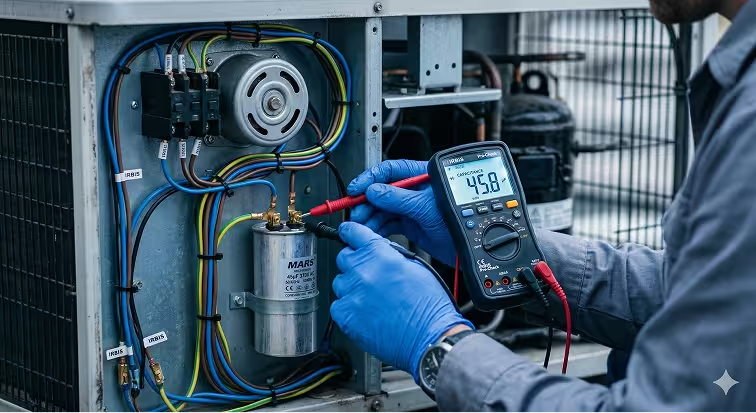
The technician must start with a safety check. This involves tightening all wire terminals and measuring the voltage and current on the motor to ensure everything is operating within the manufacturer's safe parameters. They should also inspect the contactor and capacitors for signs of "pitting" or wear, as these components are often the first to fail during a heatwave.
2. Deep Cleaning the Coils
Dirty coils are the primary cause of inefficient cooling. Your technician will focus on the Outdoor Condenser Coil, removing dirt and debris so heat can escape your home, and the Indoor Evaporator Coil, which must be clean to absorb heat properly. If these coils are neglected, the system runs longer, increasing your utility bills and risking a total system freeze.
3. Refrigerant and Airflow Optimization
Your AC doesn't "consume" refrigerant; it circulates it. A professional will check the refrigerant charge to ensure it matches the exact specifications of your unit. Low levels usually indicate a leak that needs repair. Simultaneously, the tech will inspect the blower motor and fan blades for balance and debris, ensuring the airflow is strong and quiet throughout your home.
4. Drain Line and Humidity Management
As your AC cools, it removes humidity, which collects and flows out through a condensate drain line. A vital part of the home air conditioner maintenance process is flushing this line to prevent algae growth and clogs. This simple step prevents water backups that could otherwise cause expensive ceiling leaks or mold growth inside your walls.
5. Thermostat and Filter Verification
Finally, the technician verifies the "brain" of the system. They calibrate the thermostat to ensure it accurately reads the indoor temperature and check your air filter. Using the correct MERV-rated filter is critical; a filter that is too restrictive can actually suffocate your system and damage the compressor over time.
When to Call for a Professional Tune-Up
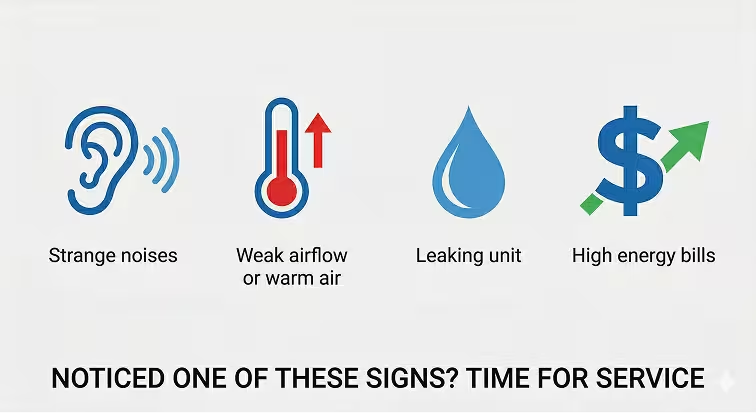
If your home feels "muggy," the vents are blowing warm air, or you hear strange grinding noises, you shouldn't wait for your annual check-up. These are signs that your system is struggling and requires immediate attention to avoid a total failure.
Conclusion: Prioritize Your Home’s Safety
Testing a water heater’s temperature-pressure (TPR) relief valve is an essential maintenance task that ensures your system operates safely. A functional valve should open easily, release water smoothly, and seal tightly once closed. Any signs of stiffness, restricted flow, or continuous dripping are clear indicators that the valve needs immediate replacement.
By keeping this critical safety component in top condition, you protect your tank from damage, reduce energy waste, and prevent dangerous pressure buildup.
If you suspect your TPR valve is malfunctioning or you simply prefer a professional inspection, the experts at IRBIS Air, Plumbing & Electrical are here to help. Our team provides comprehensive safety evaluations to ensure every part of your HVAC and plumbing system is running at peak performance.
Don’t leave your home’s safety to chance. Call us at +1 (669) 312-3643 or reach out online to schedule your professional water heater service today!
FAQ
[[faq|name=How often should I schedule professional home air conditioner maintenance?|text=We strongly recommend scheduling a professional AC tune-up once a year, ideally in the spring before the heavy cooling season begins. Regular annual service ensures your system is clean, safe, and running at peak efficiency before temperatures rise.]]
[[faq|name=Is skipping a year of AC maintenance really that bad?|text=Yes. Over time, dust accumulates on coils, electrical connections loosen, and refrigerant levels can drop slightly. Skipping maintenance reduces efficiency, which increases your energy bills immediately, and it significantly raises the risk of a costly total system breakdown during a heatwave.]]
[[faq|name=Can I perform my own AC maintenance?|text=As a homeowner, your most important task is changing your air filter every 1-3 months. However, the rest of the ac maintenance checklist—including handling high-voltage electricity, pressurized refrigerants, and deep-cleaning delicate coils—requires specialized tools and licensing. For safety and warranty purposes, these tasks should be left to certified technicians.]]
[[faq|name=How long does a standard professional AC maintenance visit take?|text=A comprehensive tune-up following a complete unit maintenance checklist typically takes between one to two hours, depending on the age and condition of your system.]]
[[faq|name=My AC is blowing warm air. Will a tune-up fix this?|text=Blowing warm air is a sign that your system needs immediate repair, not just a standard tune-up. It could be due to a low refrigerant charge (which indicates a leak), a failing compressor, or a bad capacitor. We recommend scheduling a diagnostic service call immediately rather than a preventive maintenance visit.]]
During a repair visit, our technicians will inspect your A/C system, diagnose the problem, and provide you with repair options. Once you choose an option, we'll proceed with the necessary repairs. Afterward, we'll test the system to ensure it's working correctly and provide you with a detailed report.