


.avif)





Your AC drain line plays a crucial role in keeping your air conditioning system running smoothly by removing excess moisture. When it gets clogged, you can face problems like water leaks, mold growth, and reduced cooling efficiency. Regular AC drain line cleaning is a simple way to prevent costly AC repairs and keep your system working properly.
What Is an AC Drain Line?
An AC drain line is a small PVC pipe that removes condensation produced by your air conditioning system. As your AC cools warm air, moisture collects on the evaporator coils and needs a way to escape. The drain line carries this water safely outside your home.
When the drain line becomes clogged with dirt, algae, or debris, water can back up into your system. Common signs of a blocked drain line include:
- Water pooling around your indoor unit
- Musty odors coming from the vents
- Reduced cooling performance
A clean AC drain line ensures your system works efficiently and prevents moisture damage in your home.
Why AC Drain Line Cleaning Is Important
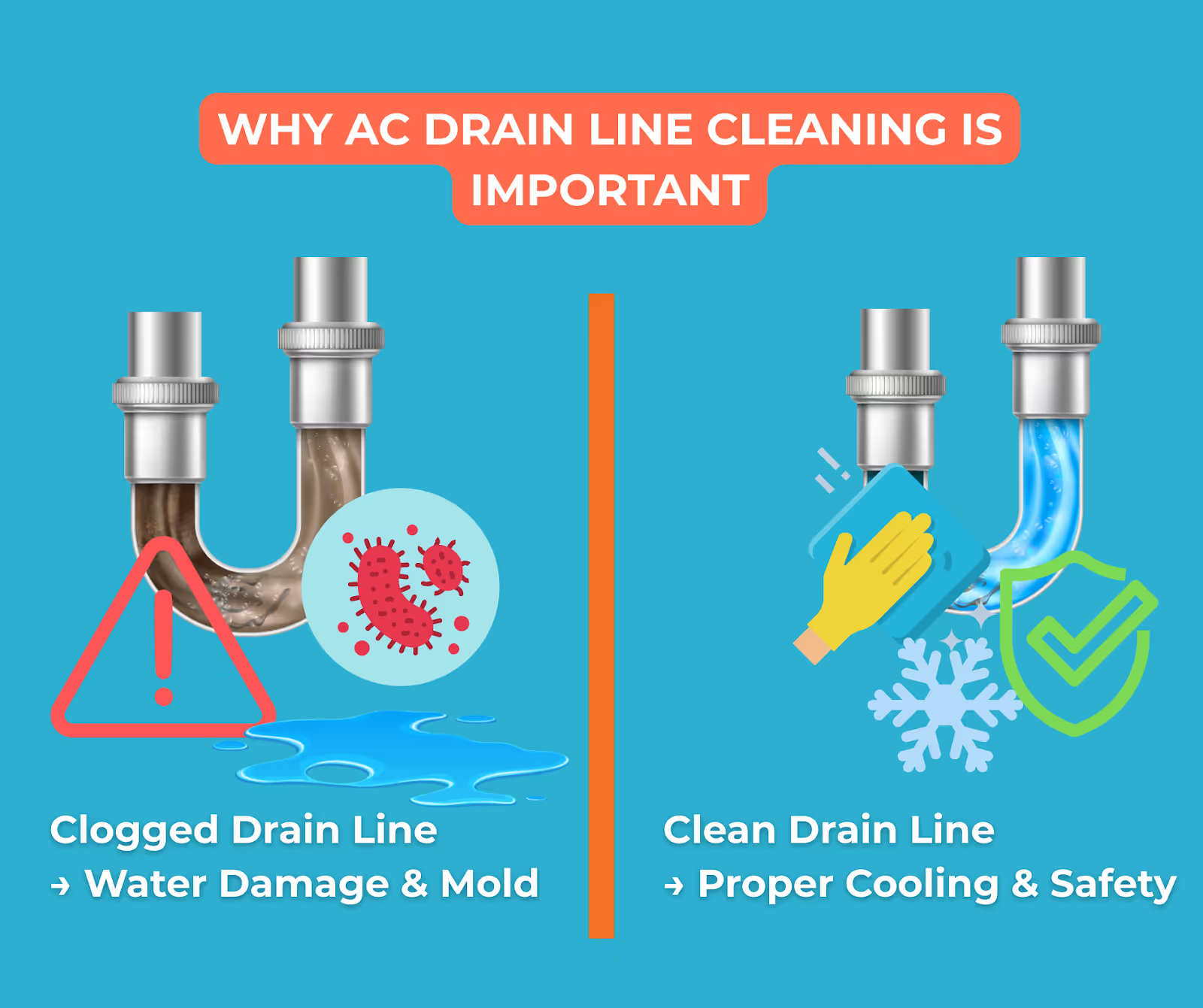
Your AC drain line may seem like a small part of your cooling system, but keeping it clean is essential. A clogged line can cause:
- Water leaks that damage walls, ceilings, or flooring
- Mold and mildew growth, leading to musty odors and poor indoor air quality
- Reduced cooling efficiency, making your AC work harder and increasing energy bills
- System shutdowns if the safety switch is triggered by excess water
Regular AC drain line cleaning helps prevent costly repairs, protects your home from water damage, and ensures your air conditioner runs at peak performance.
How to Clean AC Drain Line Step by Step
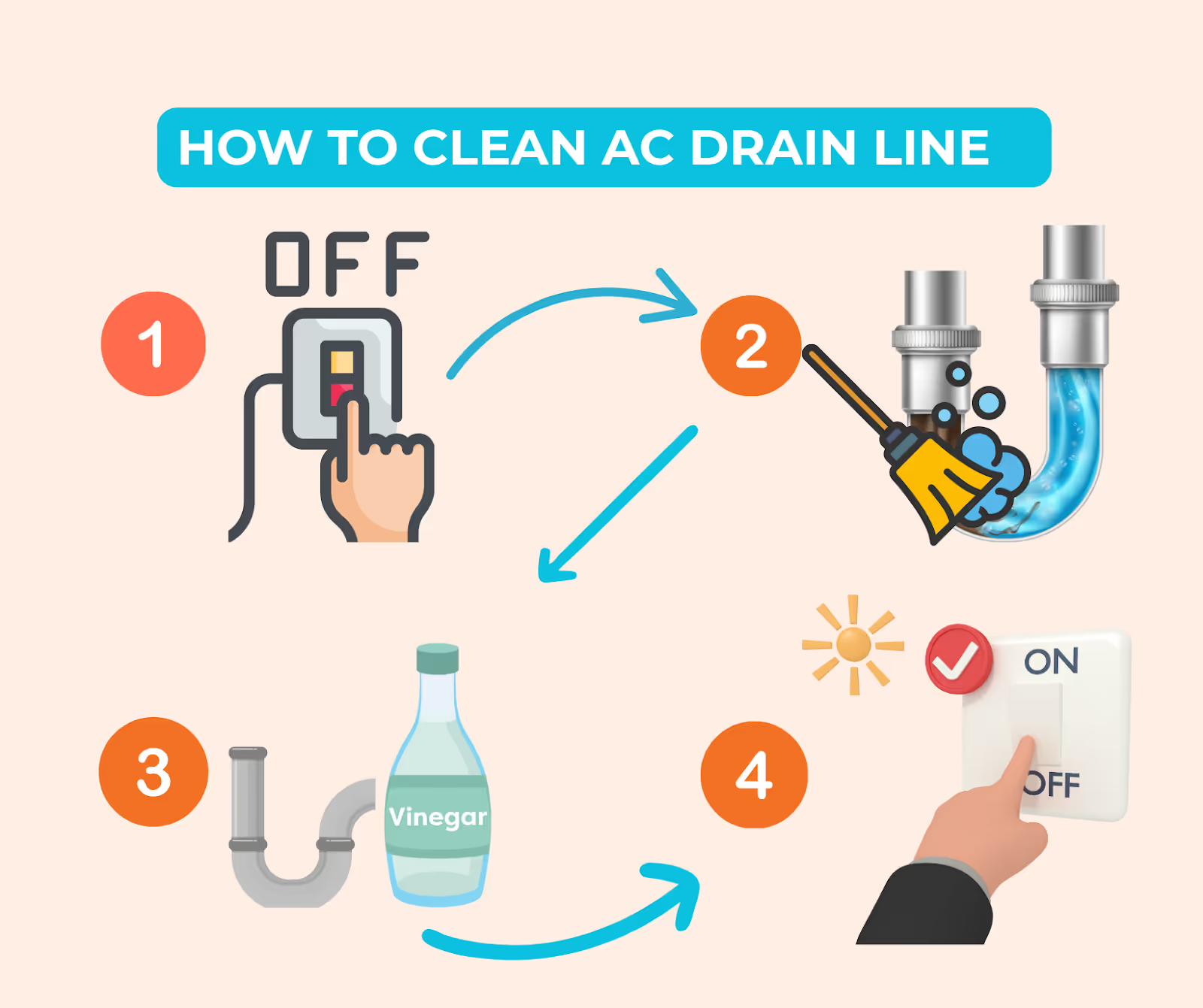
Cleaning your AC drain line is a simple maintenance task you can often do yourself. Follow these steps to keep it clear and working properly:
- Turn off your AC unit
Always switch off power to your system at the thermostat and breaker before starting.
- Locate the AC drain line
Look for a PVC pipe near the indoor unit (usually next to the air handler).
- Remove the drain line cap
Take off the cap at the access point to inspect for debris or clogs.
- Clear the clog
Use a wet/dry vacuum to suck out dirt, algae, or buildup. Make sure you create a tight seal around the pipe.
- Flush the drain line
Pour a cup of distilled vinegar (or a diluted bleach solution) into the line. This kills mold and bacteria. Let it sit for 30 minutes, then flush with water.
- Replace the cap and restart your AC
Once the line is clear, put the cap back on, restore power, and run your AC to ensure proper drainage.
Alternative AC Drain Line Cleaning Methods
While vinegar and a wet/dry vacuum are the most common ways to clear a clogged AC drain line, there are a few other methods you can try:
- Drain line cleaning tablets
Special tablets can be placed inside the drain pan to slowly dissolve and prevent algae or mold buildup. They’re great for ongoing maintenance.
- Compressed air flush
Blowing compressed air through the line can push out clogs and debris. This method works best if you have access to the outdoor end of the drain line.
- Professional cleaning solution
HVAC technicians often use commercial cleaners that are stronger than household vinegar or bleach. These solutions remove stubborn buildup more effectively.
Using these methods regularly helps prevent future clogs and keeps your AC drain line clear year-round.
How Often Should You Clean Your AC Drain Line?
For most homes, AC drain line cleaning should be done every 30 to 90 days. A quick flush with vinegar or installing cleaning tablets can go a long way in preventing buildup.
During peak cooling season, when your air conditioner runs daily, check the drain line more often. If you notice musty odors, standing water, or reduced cooling performance, it’s a sign the line needs immediate cleaning.
Regular maintenance not only keeps your AC drain line clear but also helps extend the lifespan of your entire HVAC system.
When to Call a Professional for AC Drain Line Cleaning
While basic AC drain line cleaning is simple enough for many homeowners, there are times when it’s best to call an HVAC professional:
- The drain line clogs again soon after cleaning
- Water continues leaking around the indoor unit
- You notice moldy odors spreading through your vents
- Your AC shuts down or won’t cool properly
A trained technician has the tools to remove stubborn blockages, sanitize the entire system, and check for hidden damage. Professional service not only clears the clog but also prevents future issues.
Preventing AC Drain Line Clogs
The best way to avoid costly repairs is to keep your AC drain line clear year-round. Simple steps include:
- Flushing the line with vinegar every 1–3 months
- Installing drain line cleaning tablets to control algae growth
- Checking for standing water around the indoor unit
- Scheduling annual AC maintenance with a licensed HVAC technician
By staying consistent with these preventive measures, you can reduce the risk of leaks, mold, and system breakdowns.
Keep Your AC Running Smoothly with Professional Help
If you’ve tried cleaning your AC drain line but still notice leaks, odors, or cooling issues, it may be time for expert help. At IRBIS Air, Plumbing & Electrical, we provide professional AC drain line cleaning and full maintenance services to keep your system efficient and your home protected.
📞 Call us today at (669) 280-7399 or request service online to schedule your AC drain line cleaning in San Jose and the surrounding area.
During a repair visit, our technicians will inspect your A/C system, diagnose the problem, and provide you with repair options. Once you choose an option, we'll proceed with the necessary repairs. Afterward, we'll test the system to ensure it's working correctly and provide you with a detailed report.