


.avif)






San Jose summers are intense. With average highs hitting 82°F and heatwaves pushing temperatures over 92°F, your home’s air conditioning system is essential for keeping your family cool and comfortable. But when that AC unit starts malfunctioning—blowing warm air, cycling on and off constantly, or increasing your utility bills—it prompts a key question: Should you repair it, or is it time to replace it entirely?
Many homeowners face this decision, especially when balancing cost, comfort, and long-term value. While repairs appear quick and cost-effective, they aren’t always the most economical or sustainable option. Conversely, replacing an older unit can bring significant improvements but requires a larger upfront investment.
In this blog, we’ll explain the key factors to consider so you can make a confident, informed decision. We’ll also explain how to evaluate your current system, when a repair is appropriate, and the signs that a full replacement might be the better option.
If you're unsure, IRBIS Air, Plumbing & Electrical can help. As a trusted local HVAC provider, we prioritize honest guidance, long-term comfort, and high-efficiency solutions tailored to your home. Call (669) 322-8182 or contact us online for professional assistance.
Know Your System: Evaluating the Condition of Your Current AC

Before making any decision, it’s essential to understand the condition of your existing air conditioning system. A few key factors can help you determine whether it’s worth repairing or if it’s nearing the end of its useful life.
Age of the Unit
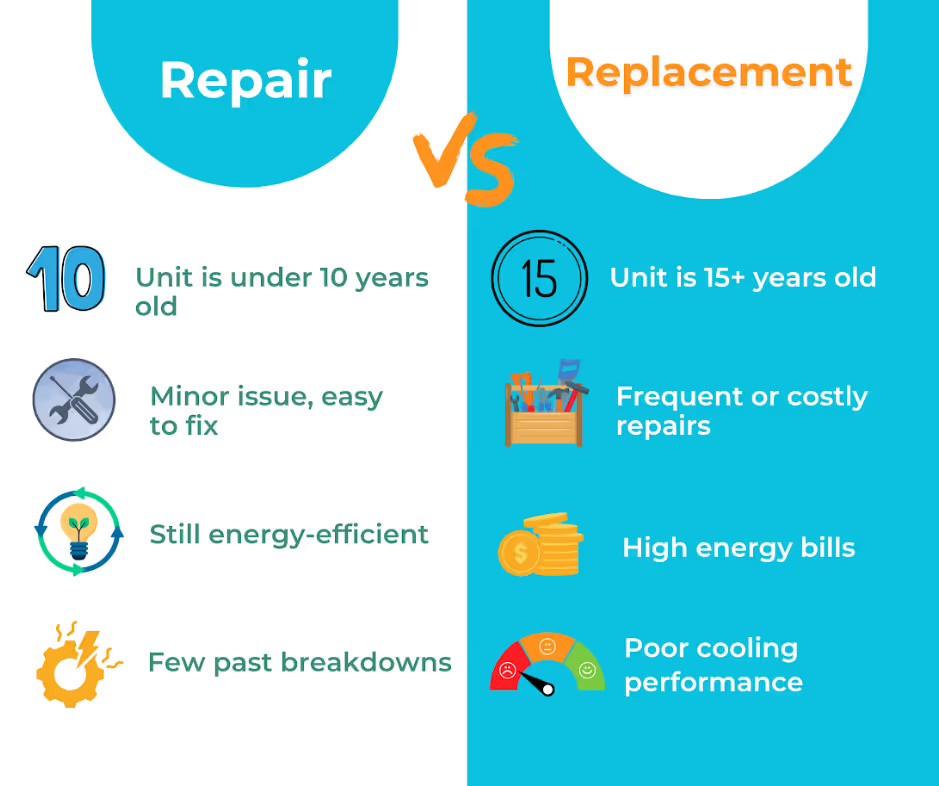
The average lifespan of a central air conditioner is about 15 to 20 years. If your system is nearing or exceeding this range, even minor issues could indicate a bigger problem. Newer units usually have more life remaining, making repairs more worthwhile.
Repair History and Costs
Consider how often you’ve needed to call for repairs in the past year or two. If breakdowns are becoming commonplace and repair costs are adding up, replacing the entire system might be more economical. Generally, if repair expenses surpass 50% of the price of a new unit, replacing it is the wiser option.
Energy Efficiency and Utility Bills
Are your energy bills rising even though your cooling habits haven’t changed? An older or struggling AC system might be working harder than it should, leading to higher monthly costs. Modern high-efficiency units use less energy, which can lower operating costs.
When AC Repair Makes Sense
In many cases, a repair may be all you need, especially if the issue is minor and your unit still has several good years left.
Repairing your AC is likely a practical move in the following situations:
- Minor, isolated issues – Clogged filters, low refrigerant, worn capacitors, or a faulty thermostat can usually be fixed quickly and affordably. Benefit: Lower cost and faster turnaround.
- System is relatively new – If your AC is less than 10 years old, chances are it’s still under manufacturer warranty or covered by a service plan. Benefit: Protects your initial investment and extends system life.
- Short-term budget constraints – If replacing your system isn’t financially feasible, repairs can buy you time while you budget for a future upgrade. Benefit: Immediate relief without a considerable upfront cost.
In these situations, a professional repair can restore your comfort while keeping efficiency, without the cost or hassle of a replacement.
When AC Replacement Is a Better Choice
Eventually, even the most dependable AC system reaches the end of its lifespan. Knowing when to replace it can save money, lower stress, and enhance home comfort.
You might consider an AC replacement if any of the following apply:
- Unit is old and inefficient – Systems over 15 years old are less efficient and may use outdated technology. If your bills are climbing despite regular maintenance, a new energy-efficient unit can cut cooling costs and environmental impact. Benefit: Long-term savings and lower energy use.
- Frequent, costly breakdowns – If you’ve repaired your system multiple times in the past year, and the costs keep adding up, it’s time to consider a replacement. Parts for older systems, especially those that use phased-out refrigerants like R-22, may no longer be available. Benefit: Greater reliability and peace of mind.
- Inconsistent cooling or comfort problems – Hot spots, humidity issues, or uneven airflow can signal a system that’s failing to keep up. Modern systems are built to deliver consistent temperature control and improved indoor air quality. Benefit: Better comfort throughout your home.
- Wanting new features – If you’re upgrading your home, adding smart technology, or improving your HVAC zoning, newer AC models offer features like programmable thermostats, quieter operation, and enhanced energy management. Benefit: Increased convenience and potential boost in home value.
- Environmental considerations – New AC units use eco-friendly refrigerants and meet higher SEER (Seasonal Energy Efficiency Ratio) standards. This improvement helps reduce greenhouse gas emissions while keeping your home cool more efficiently. Benefit: Sustainable cooling aligned with modern energy standards.
Replacing your AC isn’t just about fixing a current issue. It’s a forward-looking investment in your home’s comfort, efficiency, and value.
Making a Choice for Your Home
Deciding between AC repair and replacement depends on several factors, including your system’s age, total repair costs, satisfaction with current performance, and long-term energy goals.
At IRBIS Air, Plumbing & Electrical, we help San Jose homeowners make informed and confident decisions. Whether a quick repair or a system replacement, our team focuses on your comfort, budget, and peace of mind.
Call us at (669) 322-8182 or reach out online to schedule a professional AC evaluation. We can walk you through the options, answer your questions, and deliver solutions that make sense for your home.
During a repair visit, our technicians will inspect your A/C system, diagnose the problem, and provide you with repair options. Once you choose an option, we'll proceed with the necessary repairs. Afterward, we'll test the system to ensure it's working correctly and provide you with a detailed report.