


.avif)





The acronym, HVAC, stands for "heating, ventilation, and air conditioning" and is a type of mechanical system found in homes and buildings that provides heating, cooling, air circulation, and provides control over indoor humidity and air quality.
What HVAC Systems Do
HVAC systems help maintain a comfortable indoor environment by controlling temperature and circulating clean air throughout the home.
These systems perform two primary functions:
- Heating and cooling your home
- Circulating and filtering indoor air
Because of this, HVAC systems are not just heating and cooling equipment — they are complete home comfort systems.
Essential Components of an HVAC System

Heating: This can refer to either a gas furnace or a heat pump. Typically, a furnace generates heat and transfers it to the home through the ductwork system. A heat pump works differently by transferring heat from the outdoor air into the home (or visa versa), allowing it to provide both heating and cooling.
Cooling: When it comes to cooling the home, this is typically accomplished by a central air conditioning system or through a heat pump operating in a cooling mode. The cooling process involves the heat transfer from indoor air to the
Air Movement: Air movement is handled by the blower fan, which pushes air through the ductwork and distributes it throughout the home.
Thermostat: The thermostat controls when the heating or cooling system turns on and off. Modern thermostats can help improve comfort and energy efficiency by maintaining consistent indoor temperatures.
Filter: The air filter is one of the most important components of your HVAC system. A clogged or dirty filter can restrict airflow, create uneven temperatures, and force the blower motor to work harder than necessary. Replacing filters regularly helps improve indoor air quality and system efficiency.
Different Types of Systems
There are two common types of residential HVAC systems: split (or Central HVAC) system and ductless mini-split.
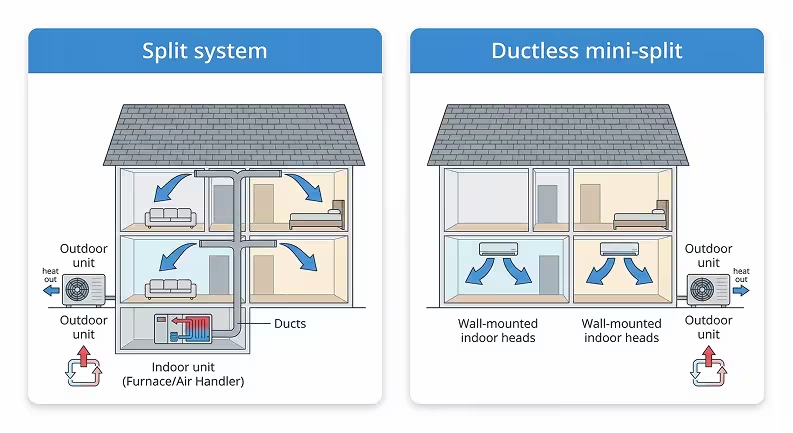
The Split System is by far the most prevalent (usually with both indoor and outdoor units). There is an outdoor compressor unit used with an indoor evaporator—either with ductwork (the combination of a furnace and air conditioning) or via a heat pump (with an air handler).
Ductless Mini-Splits do not require ducted distribution systems. Connecting an outdoor unit to an indoor unit makes it ideal for homes that do not have ducting, as well as new additions, garages, or other areas that are not constant temperature.
Operating Principle
Cooling Operation
When the system operates in cooling mode, the indoor blower fan pulls warm air from the home through the return ducts and moves it across the evaporator coil. Refrigerant inside the coil absorbs heat from the air, which cools and dehumidifies the air before it is circulated back into the home through the supply ducts.
The refrigerant carrying the absorbed heat travels to the outdoor unit, where the heat is released into the outside air through the condenser coil. The refrigerant then returns to the indoor coil to repeat the cycle.
Gas Furnace Heating Operation
In systems that use a gas furnace, heating is produced through combustion. Natural gas is burned in the furnace burners, and the resulting heat warms a heat exchanger. The blower fan moves indoor air across the heat exchanger, allowing the air to absorb heat without mixing with combustion gases.
The warmed air is then distributed throughout the home through the ductwork. Exhaust gases produced during combustion are safely vented outside through the furnace flue.
Heat Pump Heating Operation
Some systems use a heat pump instead of a furnace. A heat pump does not generate heat through combustion. Instead, it transfers heat from the outdoor air into the home using the refrigerant cycle. The system reverses the cooling process, allowing the indoor coil to release heat into the indoor air.
Because heat pumps move heat rather than create it, they can provide heating and cooling using the same system components.
HVAC System Ratings
Modern HVAC equipment is rated based on energy efficiency.
The main efficiency ratings include:
SEER2 – Seasonal Energy Efficiency Ratio for cooling
HSPF2 – Heating Seasonal Performance Factor for heat pumps
AFUE – Annual Fuel Utilization Efficiency for furnaces
Higher ratings generally indicate better energy efficiency.
However, system performance also depends heavily on proper installation, correct system sizing, and ductwork condition. Even the most efficient equipment cannot deliver comfort if it is not installed correctly.
Installation recommendations
Installing a new HVAC system involves more than just simply replacing the old unit. Proper installation ensures your system runs efficiently, keeps your home comfortable, and lasts for many years.
Here are the key factors to consider when choosing a new system:
- Sizing. If a system is too large, it will cycle on and off too frequently. This can lead to uneven temperatures throughout the home and poor humidity control. Likewise, if your system is small, it will run continuously without providing enough heating or cooling. To determine the correct unit size, a qualified contractor should perform a Manual J load calculation.
- Air Distribution: If you install the best system, it won’t provide comfort if your ductwork is leaking, incorrectly installed, or blocked. This also applies if there are “too hot” or “too cold” areas in your home. To avoid this, ask your contractor to evaluate the condition of your ductwork and airflow to ensure balanced airflow distribution throughout your home.
- Setup: After installation, the system must be properly configured and tested. This includes verifying airflow, checking temperature output, and calibrating the thermostat settings. When installed and adjusted correctly, your new system should provide consistent comfort throughout your home.
When you communicate with HVAC specialists, consider the following:
- Ask if the estimate is based on a Manual J load calculation rather than a rough estimate.
- Make sure that the contractor has evaluated the condition of the ductwork, especially for leaks, restrictions, or other issues that could affect system performance.
- Confirm the estimate includes a testing and startup process, not simply replacing the old unit with a new one.
- Ask which type of air filter is recommended for your system to ensure proper airflow and avoid future performance issues.
- Review all warranty details, including the maintenance recommendations and warranty terms.
- Ask how permits and inspections will be handled, if they are required in your area.
HVAC Maintenance:
Most HVAC issues come from improper system maintenance or airflow restrictions. Consider the following tips to keep your system running smoothly:
- Change your air filters at least twice a year. If you have indoor pets or live in a dusty environment, it’s recommended to replace your air filters 3-4 times per year.
- Keep air vents open and unobstructed by furniture or other objects.
- Keep the outdoor unit clear of leaves and debris.
- If some rooms are consistently too hot or too cold without adjusting the thermostat, have your ductwork and air supply inspected by a professional.
Final Thoughts
Your HVAC system plays a vital role in maintaining your home’s comfort. Understanding how its components work can help you identify potential issues early and make more informed decisions about repairing, upgrading, or replacing your system.
If you would like help identifying the type of HVAC system in your home, exploring replacement options, or designing the best solution for your needs, call IRBIS at +1 (669) 312-3643 or contact us online to schedule a consultation.
FAQ
[[faq|name=What does HVAC stand for?|text=HVAC stands for Heating, Ventilation, and Air Conditioning. It’s the system in a home or building that controls temperature, moves and filters air, and helps manage humidity and indoor air quality.]]
[[faq|name=Is HVAC just heating and cooling?|text=Not only. HVAC also includes ventilation and air filtration, which help circulate fresh air, remove contaminants, and keep indoor air healthier and more comfortable.]]
[[faq|name=What are the main parts of an HVAC system?|text=Most systems include a heating source (furnace or heat pump), a cooling component (AC or heat pump), a blower/fan, ductwork or air handler, a thermostat, and an air filter.]]
[[faq|name=What’s the difference between a furnace and a heat pump?|text=A furnace generates heat (often using gas) and distributes it through the home. A heat pump transfers heat instead of creating it, and it can usually provide both heating and cooling by reversing the cycle.]]
[[faq|name=Why is HVAC sizing (Manual J) important?|text=If a system is too large, it can short-cycle (turn on/off too often), create uneven temperatures, and struggle with humidity. If it’s too small, it may run nonstop and still not keep up. A Manual J load calculation helps choose the right size for your home.]]
[[faq|name=Which efficiency ratings should I pay attention to (SEER2, HSPF2, AFUE)?|text=SEER2 measures cooling efficiency (higher usually means lower cooling electricity use). HSPF2 measures heat pump heating efficiency (higher generally means more efficient heating). AFUE is furnace efficiency shown as a percentage (higher means more heat from the fuel goes into your home).]]
During a repair visit, our technicians will inspect your A/C system, diagnose the problem, and provide you with repair options. Once you choose an option, we'll proceed with the necessary repairs. Afterward, we'll test the system to ensure it's working correctly and provide you with a detailed report.