


.avif)





Modern homes demand flexible comfort, and a traditional single-zone HVAC system often cannot deliver even temperature control throughout the entire house. A HVAC zoning system solves this problem by dividing the home into separate climate zones that operate independently. Each zone can receive its own temperature setting, its own airflow balance, and its own heating and cooling schedule.
Understanding how a zoned system works helps homeowners decide whether this technology is the right fit for improving comfort and reducing energy use.
What Is an HVAC Zoning System
A zoning system is a method of dividing a home into individual areas that are heated or cooled separately. While a standard HVAC system conditions the entire home at once, a zone system HVAC applies heating or cooling only to the areas that need it. This creates a more consistent indoor environment and eliminates the common problem of warm or cool spots in large or multi-story homes.
A zoning setup relies on several coordinated components that work together, which include thermostats, motorized dampers inside the ductwork, a central zone control panel, and the main HVAC equipment.
How the Components Work Together
A zoned HVAC design is based on simple logic. Each zone contains a dedicated thermostat, and these thermostats communicate with a central zone control system. When a thermostat senses that its zone requires heating or cooling, it sends a signal to the control panel. The control panel then adjusts the duct dampers to direct conditioned air only to the zone that needs it.
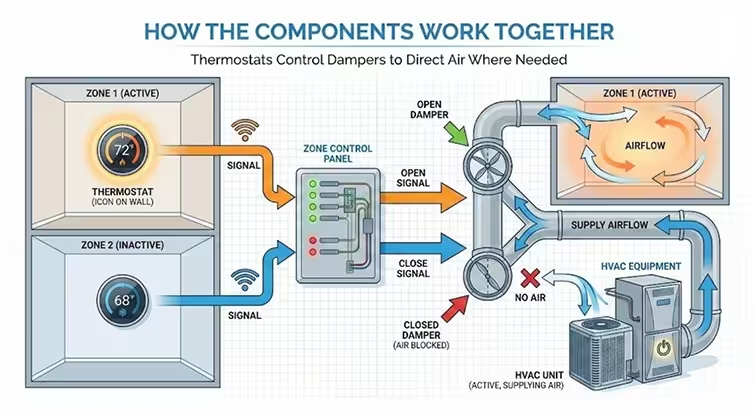
The dampers open and close as needed to regulate airflow. At the same time, the control panel instructs the furnace, heat pump, or air conditioner to run to meet the demand from the active zone. Zones that do not call for heating or cooling remain closed, which reduces the load on the system and prevents energy waste.
A well-designed HVAC zoning system ensures smooth transitions between zones so the equipment operates efficiently without short cycling. The control panel balances airflow and protects the HVAC unit by preventing excessive static pressure inside the ductwork.
Ideal Applications for a Zoned HVAC System
Zoning works especially well in multi-story homes because upper floors typically warm faster than lower levels. Homes with sprawling layouts also benefit since distant rooms often receive less airflow from a central system. Zoning helps correct these imbalances and delivers even comfort without overworking the equipment.
Homes with large windows, vaulted ceilings, or specific areas that receive more sunlight also struggle with temperature swings. Creating separate zones in these areas allows the system to react to their unique heating and cooling needs.
Zoning is also useful in households with empty rooms that are seldom used. Reducing conditioning in these spaces cuts overall energy consumption while still allowing full comfort when the rooms are in use.
Can an Existing HVAC System Be Converted to Zoning
Many existing systems can be upgraded with zoning equipment, although the complexity of the project depends on duct layout and system size. Installing motorized dampers often requires access to key duct sections. The control panel must be integrated with the furnace or air handler, and additional thermostats must be wired or connected through wireless networks.
Although retrofit projects are common, professional evaluation is important to ensure the system can handle the airflow adjustments. Oversized equipment or restricted ducts may require modifications before zoning is added.
Maintenance Needs of a Zoned HVAC System
Zoned systems require the same general maintenance as conventional HVAC units – one or two visits per year – with additional attention to dampers and thermostats. Ensuring that dampers respond correctly and remain free from dust buildup keeps airflow balanced. The zone control panel should be checked periodically for secure wiring and accurate communication between zones.
Thermostats must also be calibrated correctly, because inaccurate readings can cause zones to remain active or inactive at the wrong times. Regular professional maintenance prevents these issues and maintains consistent performance.
How Zoned HVAC Saves Energy
Zoning reduces energy use because the system only conditions the areas that are occupied or require comfort adjustments. A single zone may be active while the rest of the home remains in standby mode. This targeted operation uses less fuel or electricity than conditioning the entire building at once.
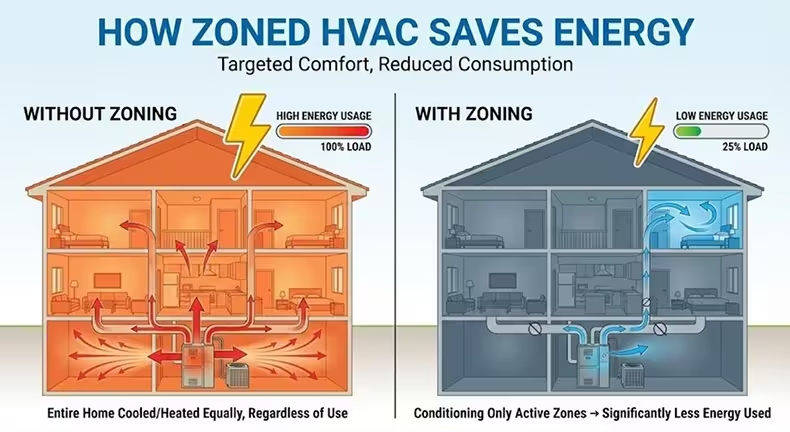
Large households also benefit from reduced conflict over temperature preferences. Instead of adjusting the thermostat for the entire home, each family member can manage comfort in their own zone. Over time, this control often leads to noticeable energy savings and more consistent equipment performance.
Is a Zoned System Right for Your Home
A zone system HVAC offers a higher level of comfort and control than a standard single-zone setup. Homes with uneven temperatures, families with different comfort preferences, or buildings with unique architectural features often see significant improvements after installing zoning. The system allows heating and cooling to be personalized while lowering energy consumption and extending the life of the HVAC equipment.
Conclusion
A zoned HVAC system gives homeowners precise control over indoor comfort by adjusting temperature and airflow independently in each area of the home. The combination of thermostats, dampers, and a zone control panel creates an adaptable system that responds to real-time comfort needs. Zoning enhances energy efficiency, solves uneven temperature issues, and tailors comfort to individual spaces.
If you want to learn whether a zoning upgrade is right for your home or you need help designing a custom system, contact IRBIS for expert guidance. Call +1 (669) 312 3643 or reach out online to schedule an HVAC zoning consultation. Our technicians provide clear recommendations, professional installation, and solutions that bring lasting comfort to your home.
During a repair visit, our technicians will inspect your A/C system, diagnose the problem, and provide you with repair options. Once you choose an option, we'll proceed with the necessary repairs. Afterward, we'll test the system to ensure it's working correctly and provide you with a detailed report.