The heat is on, the thermostat says 70, and the living room feels great. Then you walk into the back bedroom, and it feels like a different house. If you have one or two rooms that never seem to warm up, you are not alone. It is one of the most common heating complaints we hear every winter, especially in older San Jose homes.
The good news is that a cold room almost always has a specific cause, and once you find it, the fix is often simpler than replacing your whole system. Here is what our technicians look for and what we recommend.
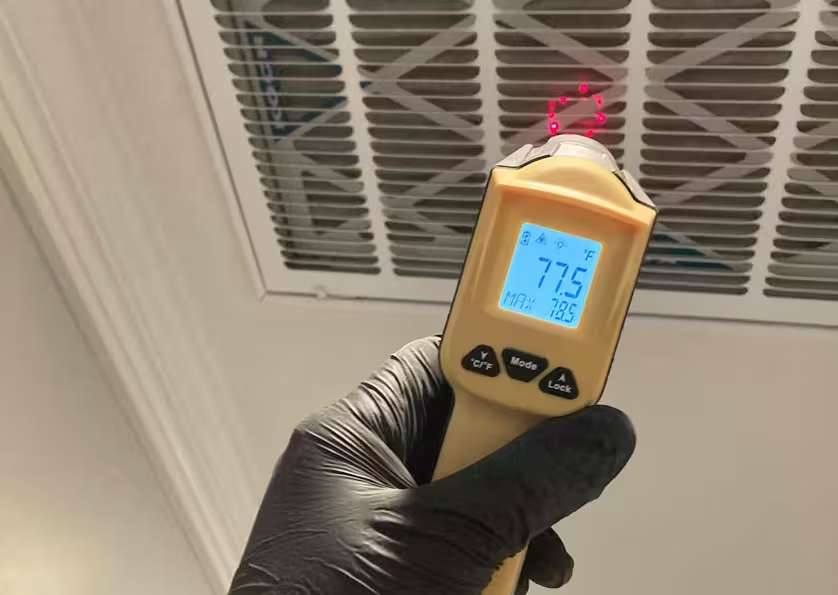
Common Reasons Some Rooms Stay Cold
In our experience, cold rooms usually come down to one or more of these issues:
- Leaking ducts. If the ducts that serve a room have gaps, loose joints, or disconnected sections, a lot of the warm air ends up in the attic or crawlspace instead of the room. Rooms at the far end of a long duct run are hit hardest.
- Poor insulation. Rooms above a garage, bonus rooms, additions, and rooms with several exterior walls often lose heat faster than the rest of the house.
- Blocked vents. A couch, bed, rug, or curtain over a supply or return vent can cut airflow to a room dramatically.
- Drafty windows and doors. Older windows and worn weatherstripping let cold air in and warm air out.
- An unbalanced heating system. Some rooms get more airflow than they need while others get too little. This is common when ducts were not designed well or when a home has been remodeled or expanded.
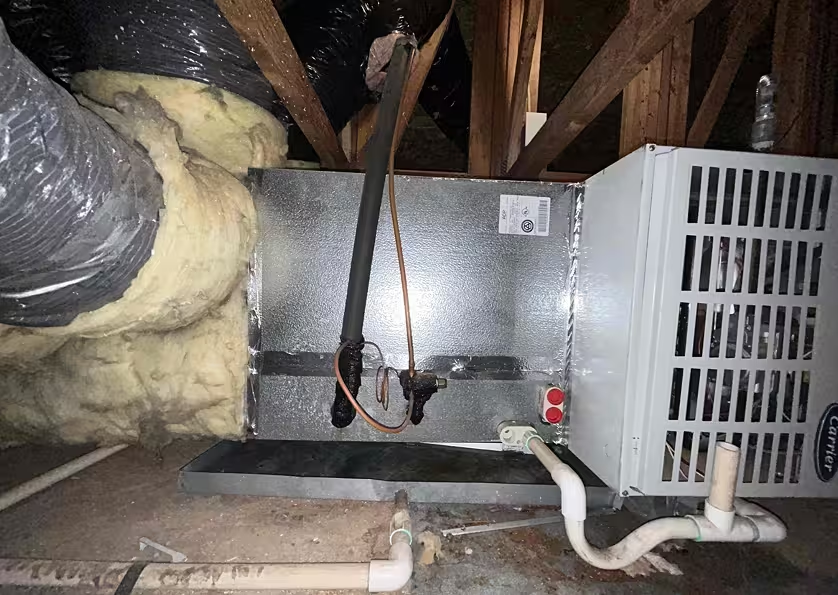
These problems are especially noticeable in older homes, where ductwork, insulation, and windows may be decades old.
How We Diagnose a Cold Room
Guessing rarely fixes a cold room. When our technicians come out, we look at the whole picture to find the actual cause. That usually includes:
- comparing temperatures in different rooms;
- measuring airflow at the vents in the cold room and elsewhere in the house;
- inspecting the ductwork for leaks, damage, and disconnected sections;
- checking the air filter;
- looking at insulation in the attic, walls, or crawlspace near the problem room;
- checking where the thermostat is located, since a thermostat in a warm spot can shut the heat off before the rest of the house catches up.
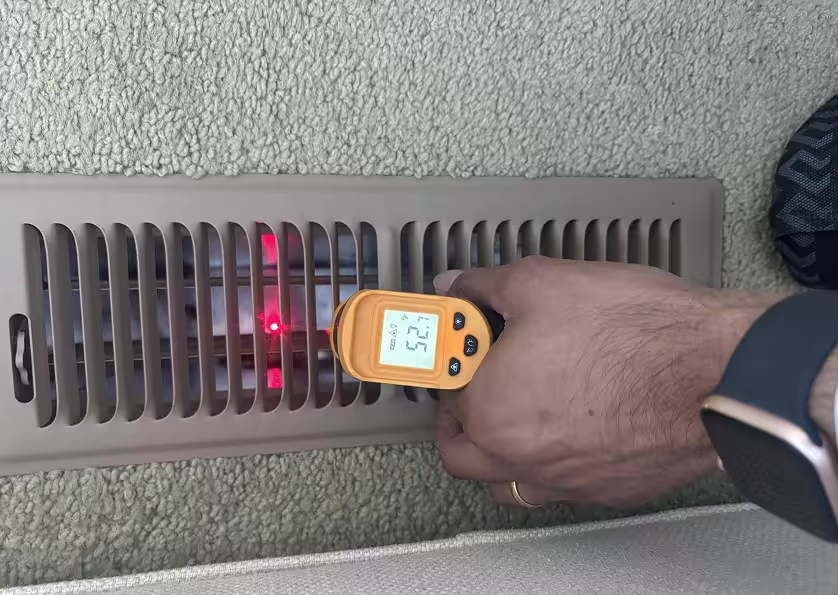
Once we know why the room is cold, we can recommend the right fix instead of the most expensive one.
What You Can Try First
Before calling for service, there are a few simple steps that solve the problem more often than you might expect:
- Open and clear all vents. Make sure every supply vent in the cold room is fully open, and nothing is blocking it. Check that return vents are clear, too.
- Replace a dirty air filter. A clogged filter reduces airflow to the whole house, and the rooms farthest from the system feel it first.
- Seal drafts. Add weatherstripping around doors and caulk gaps around windows. Heavy curtains at night can also help.
- Don’t close vents in other rooms. It sounds logical to push more air to the cold room this way, but it can create pressure problems and actually make the system work less efficiently.
If the room is still cold after these steps, the cause is usually inside the walls, ducts, or attic, and it is time for a professional to take a look.
Professional Fixes for Rooms That Won’t Warm Up
Depending on what we find, the solution may include:
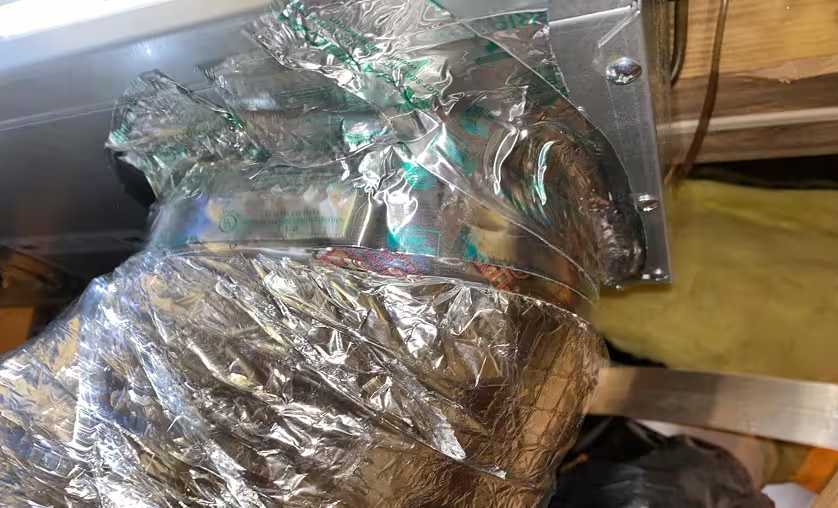
- Duct sealing and repair. Sealing leaks and reconnecting damaged sections gets the warm air to where it is supposed to go.
- Improved insulation. Adding insulation in the attic or around the problem room helps it hold onto heat.
- Zoning. A zoning system lets you control different areas of the house separately, so you can send more heat where it is needed.
- A ductless mini-split. For additions, converted garages, or rooms that are hard to reach with existing ducts, a mini-split can heat that space directly and efficiently.
A Real Example and What It Can Cost
A typical case: a homeowner has a back bedroom that stays several degrees colder than the rest of the house all winter. When we inspect it, we find that the duct serving the room is leaking in the attic and the insulation above the room is thin. Sealing the ducts and improving the insulation solves the problem without replacing any equipment.
As a rough guide, minor duct repairs can cost anywhere from a few hundred dollars to around $1,500. A ductless mini-split is a bigger investment and usually runs several thousand dollars, depending on the installation. The exact cost always depends on your home, which is why an inspection comes first.
Make Every Room Comfortable This Winter
IRBIS Air, Plumbing & Electrical helps homeowners across San Jose and the Bay Area track down and fix cold rooms, from duct sealing and repairs to zoning and ductless mini-split installation. If part of your home never feels warm, call us at +1 (669) 312-3643 or contact us online, and we’ll find out why.
During a repair visit, our technicians will inspect your A/C system, diagnose the problem, and provide you with repair options. Once you choose an option, we'll proceed with the necessary repairs. Afterward, we'll test the system to ensure it's working correctly and provide you with a detailed report.