


.avif)





If you've recently bought an electric vehicle — or are about to — one of the first practical questions is how you're going to charge it at home.
Plugging into a standard outlet works in a pinch, but it's slow and not a long-term solution. A dedicated home EV charger installation gives you faster charging, a safer setup, and the convenience of waking up every morning with a full battery.
Level 1 vs. Level 2: What's the Difference?
Most EVs come with a Level 1 portable charger that plugs into a standard 120V household outlet. It works, but adds only a few miles of range per hour — meaning an overnight charge might only partially refill your battery if you drive regularly.
A Level 2 charger runs on a dedicated 240V circuit, the same type that powers a dryer or range, and charges your vehicle several times faster. For most EV owners, Level 2 is the practical standard for home charging. It's what a professional EV charger installation near me search is typically looking for, and it's what our team installs.
What's Involved in a Home EV Charger Installation?
EV charger installation isn't just mounting a box on the wall — it involves electrical work that needs to be done right to be safe and code-compliant.

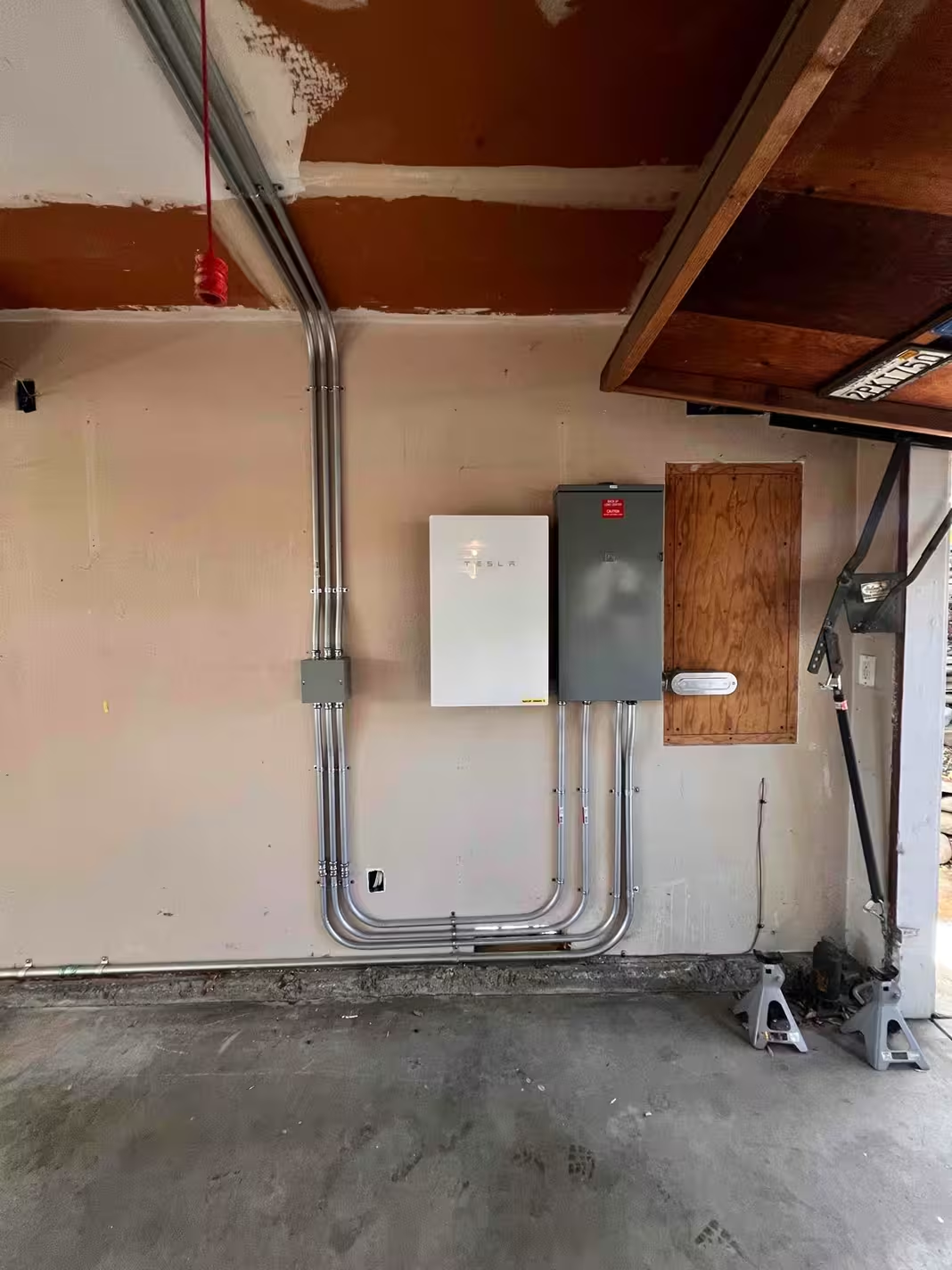
A dedicated circuit is the starting point. A Level 2 charger requires its own circuit run from your electrical panel. If your panel has available capacity, this is straightforward. If your panel is already near its limit or is older, an upgrade may be needed first — something a licensed electrician can assess during an initial visit.
Charger placement matters more than most homeowners expect. The charger should be mounted close enough to where your vehicle parks to reach the charge port comfortably, but the wiring run from the panel also affects labor and material costs. Garages are the most common location, but outdoor installations are also possible with the right weatherproof equipment.
Permits and inspections are required for all EV charger installation work. A permitted installation protects you during a home sale, satisfies your insurance provider, and ensures the work meets local electrical code. Any licensed electrician should pull permits as a matter of course — if they don't, that's a red flag.
When to Schedule EV Charger Installation Near Me
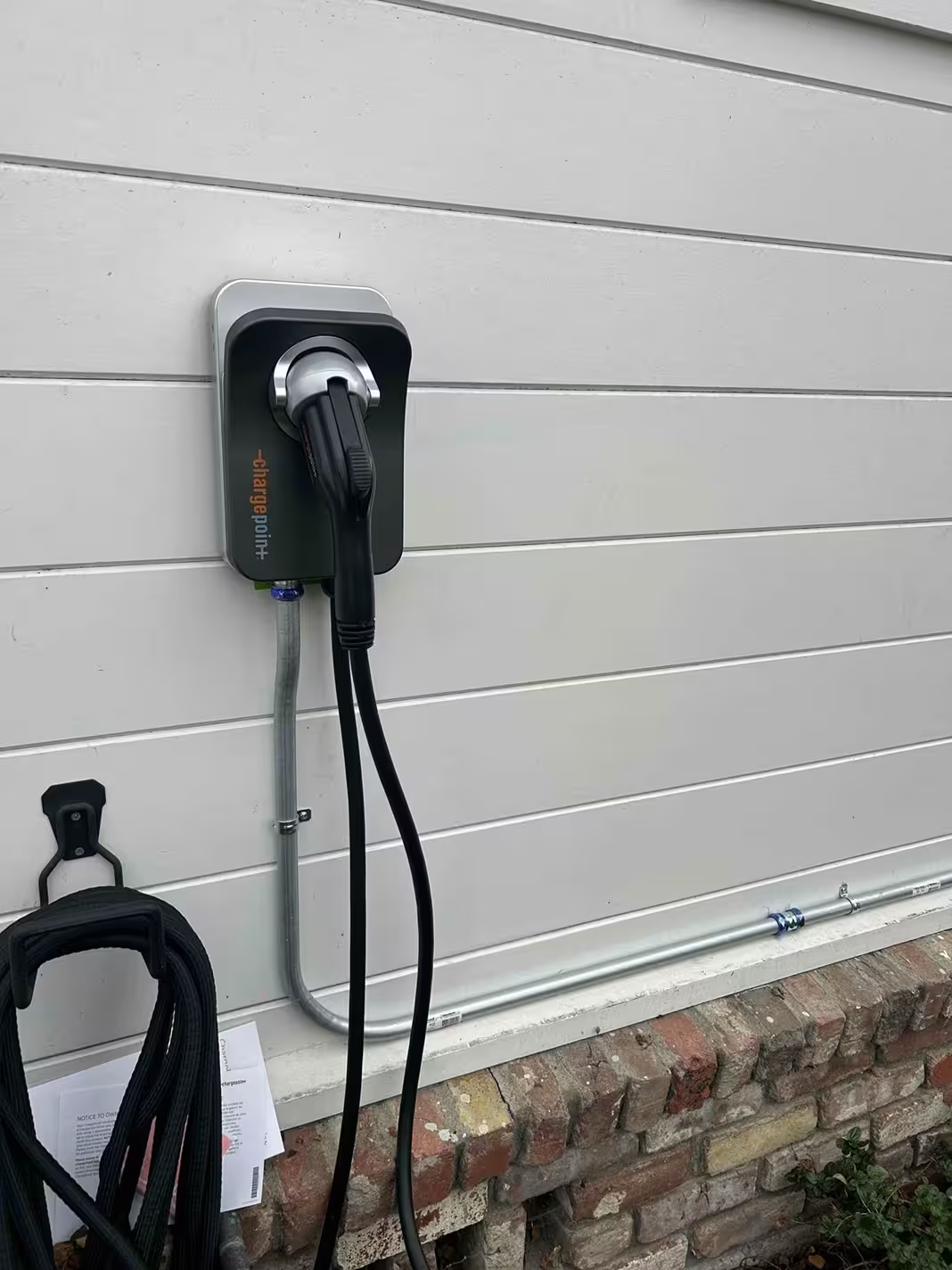
The right time to install a home EV charger is before you need it, not after. Consider scheduling if any of the following apply:
- You've purchased or ordered an EV and want to be ready on day one
- You're relying on a standard outlet, and the charging can't keep up with your daily driving
- You're building or remodeling and want to rough in EV charging while walls are open
- You're adding solar panels and want to integrate EV charging into your home energy system
- A family member has moved in with an EV, and your current setup can't support two vehicles
Final Thoughts
A home EV charger installation is one of the most practical upgrades an EV owner can make — and when it's done right, it runs reliably in the background for years without a second thought. The key is working with a licensed electrician who understands both the electrical requirements and the specific needs of your home.
If you would like help choosing the right charger, assessing your panel capacity, or scheduling an EV charger installation, call IRBIS at +1 (669) 312-3643 or contact us online to schedule a consultation.
During a repair visit, our technicians will inspect your A/C system, diagnose the problem, and provide you with repair options. Once you choose an option, we'll proceed with the necessary repairs. Afterward, we'll test the system to ensure it's working correctly and provide you with a detailed report.