


.avif)





If you've asked a few electricians about electrical panel installation and gotten very different quotes, you're not alone. Panel work varies more than most homeowners expect — because the final cost depends on what your home actually needs, not just the panel itself. Understanding the key factors behind the price helps you evaluate quotes accurately and make a confident decision.
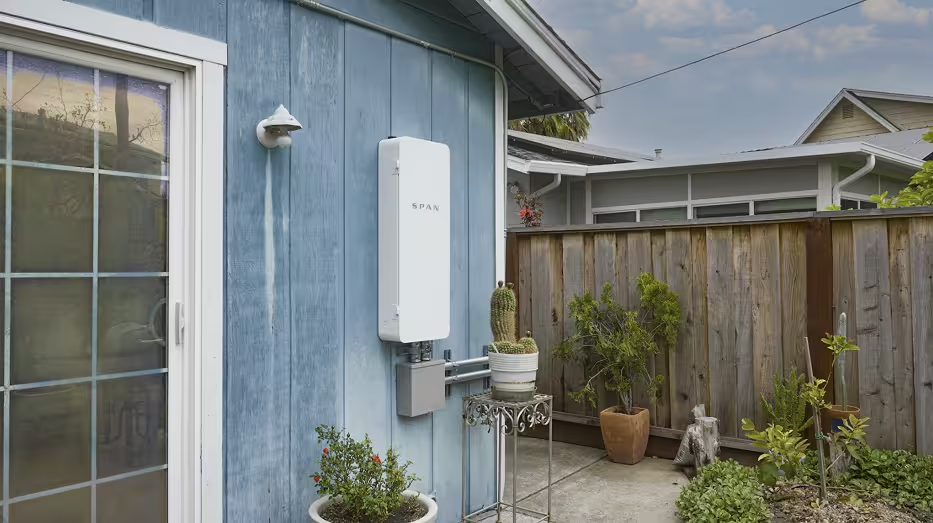
Panel Capacity and Equipment
Not all panels are the same, and the capacity your home requires is one of the biggest drivers of electrical panel installation cost.
Homes with modest electrical loads may only need a smaller service, while modern homes with central AC, EV chargers, or high-draw appliances typically require a larger capacity panel. Moving up in capacity means a more expensive unit and, in many cases, additional work to bring the service entrance up to current code. The panel itself is just one line item — labor, service entrance components, and required permits are all part of the final number.
Permits and inspections for electrical panel upgrades are non-negotiable. They're required for all panel work, vary in cost by city and county, and add a scheduling step to the project. Any licensed electrician will include them in their quote — if a bid doesn't mention permits, that's a red flag worth asking about.
Existing Wiring and Panel Condition
The state of your home's existing wiring and panel can significantly expand the scope — and the cost — of what seems like a straightforward replacement.
If your home has older wiring, aluminum branch circuit wiring, or a panel brand with known safety concerns — such as Federal Pacific Stab-Lok or Zinsco — remediation work is typically required alongside the panel swap. That means additional labor, materials, and time that go beyond simply swapping the box. An electrician can't always know the full picture until they open things up, which is why a thorough on-site assessment matters before any quote is finalized.
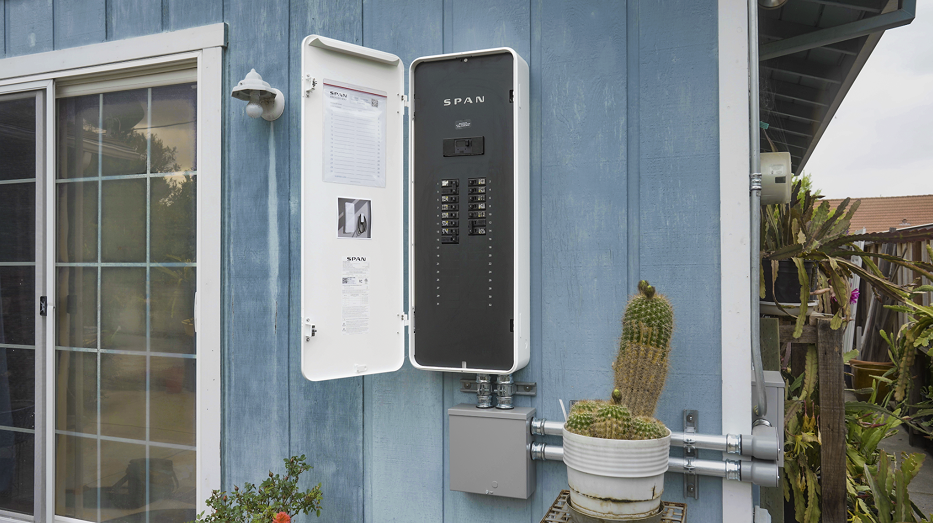
The age of your home also matters. Older homes may have service entrance equipment, grounding systems, or meter bases that no longer meet current code and need to be brought up to standard as part of the installation. These aren't upsells — they're requirements that protect your home and satisfy the inspection process.
New Electric Service Installation
New electric service installation covers more ground than a simple panel swap. Running service to a new structure, upgrading an outdated overhead drop, or converting to underground service all involve coordinating with the utility company, running conduit, and potentially trenching.
One of the biggest cost variables is the distance from the utility connection point to your home. A short run from a nearby transformer is straightforward. A long run — overhead or underground — requires significantly more conduit, wire, and labor. Underground service typically costs more than overhead, but is often the preferred or required choice for new construction, detached structures, or properties where aerial lines aren't practical. In either case, the utility company handles their side of the connection while your licensed electrician handles everything on the house side — and all of it must pass inspection before service is energized.
Conclusion
Your electrical panel is the backbone of everything your home runs on. Electrical panel installation cost isn't a single number — it's the sum of your home's specific requirements, the scope of work involved, and the quality of the contractor you choose. Understanding what goes into that number helps you ask the right questions, compare quotes fairly, and make a decision you feel confident about.
If you would like help assessing your current panel, exploring upgrade options, or getting an accurate estimate for new electric service installation, call IRBIS at +1 (669) 312-3643 or contact us online to schedule a consultation.
During a repair visit, our technicians will inspect your A/C system, diagnose the problem, and provide you with repair options. Once you choose an option, we'll proceed with the necessary repairs. Afterward, we'll test the system to ensure it's working correctly and provide you with a detailed report.