


.avif)





If your water heater isn’t heating, it doesn’t always mean the entire system has failed. In many homes, hot water not working comes down to a few common issues that can usually be diagnosed and fixed by a professional plumber.
Some of the most frequent causes IRBIS sees during water heater repair visits include:
- No hot water at all. This obvious symptom is often tied to a failed pilot light on gas units, a tripped circuit breaker on electric models, or a malfunctioning heating element.
- Leaking tank. Water pooling around the base of the heater can indicate a crack in the tank or a problem with valves or connections.
- Strange noises. Rumbling, popping, or banging sounds usually point to sediment buildup at the bottom of the tank, which forces the unit to work harder and can lead to damage.
- Discolored or smelly hot water. Rusty or foul-smelling water often suggests corrosion or bacteria inside the tank.
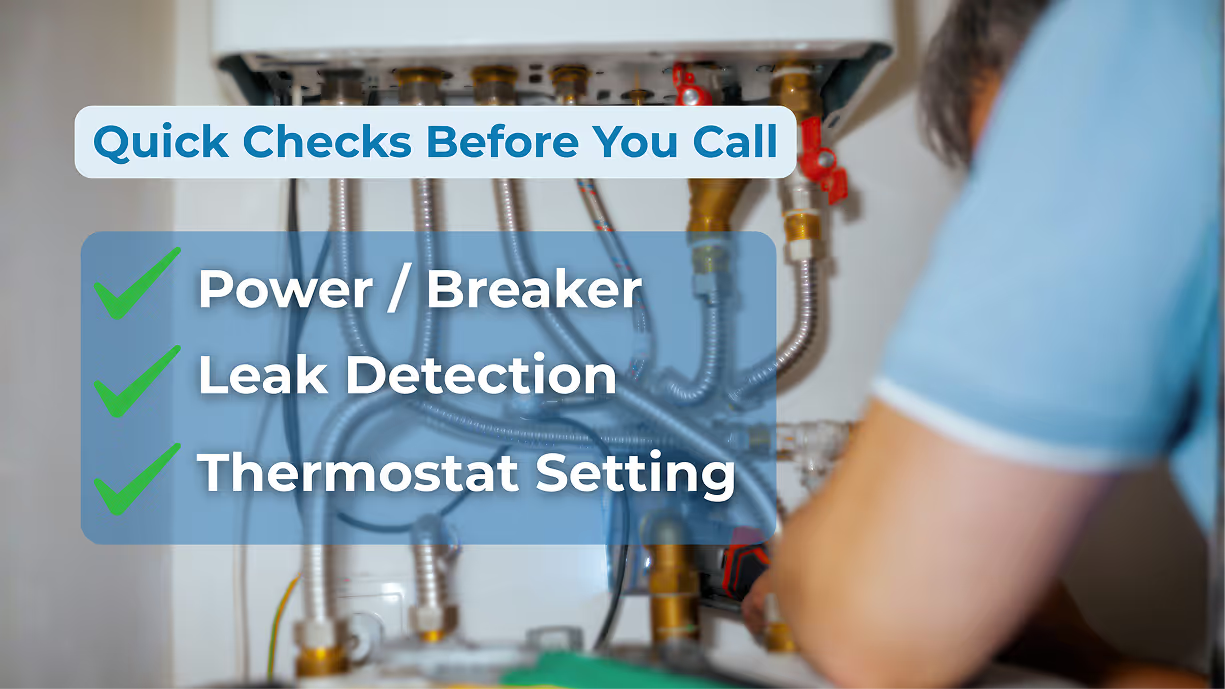
Water Heater Won’t Heat: Quick Checks You Can Do
If your water heater won’t heat or keeps leaving you with no hot water, there are a few simple checks you can try before calling for water heater repair, as long as everything appears safe—no gas smell, no major leaks, and no signs of burning or charring.
- Check other taps and fixtures. Confirm that cold water is flowing normally and that the hot water problem affects more than one fixture. If cold water works but hot water does not, the issue is very likely with the water heater itself.
- Look at the thermostat setting. Make sure the water heater thermostat or temperature dial hasn’t been turned down too low. A mis-set thermostat can make it feel like hot water is not working, even though the unit is technically running.
- Check for obvious leaks or puddles. If you see water around the base of the tank, turn off power to the heater and shut off the water supply to slow the leak, then contact a repair service immediately.
- Listen for unusual sounds. A loud, persistent rumbling or popping noise can indicate heavy sediment buildup that needs professional flushing.
These quick checks may solve very minor issues, but if your water heater still leaves you with no hot water, it’s time to schedule service with a licensed IRBIS plumber.
Water Heater Not Heating Properly
Sometimes the water heater is working, but not well. The water might only get lukewarm, run out too fast, or fluctuate between hot and cold. These issues can be frustrating and are usually early signs of problems inside the system.
If your water isn’t hot enough, the cause might be a miscalibrated thermostat, a failing heating element, or a dip tube that no longer directs cold water correctly through the tank. Sediment buildup can also create a layer between the burner or elements and the water, forcing the heater to work harder and still deliver disappointing results.
Homeowners sometimes notice that the system starts and stops frequently, or that it seems to struggle to keep up with normal household use. This may be a sign that the water heater is undersized for the home, or that age and wear are catching up with it. When hot water is not working reliably becomes a regular pattern.
How to Troubleshoot a Water Heater
True troubleshooting goes beyond quick checks. At IRBIS, technicians follow a structured process to figure out why a water heater is not heating and what it will take to fix it.
They start with safety-first diagnostics, looking for active leaks, signs of gas issues on fuel-fired units, or electrical risks on electric models. If anything unsafe is found, that issue is addressed first. From there, they test components specific to the type of system you have—pilot lights and gas valves on gas heaters, heating elements and thermostats on electric units, or control boards and sensors on tankless models.
Once the problem is identified, the technician explains the findings in clear, simple terms and provides an upfront quote before any repair work begins. IRBIS service vehicles are stocked with common parts and tools, so in many cases, the repair can be completed during the same visit, restoring hot water in as little time as possible.
This kind of systematic troubleshooting is especially important when your home has advanced equipment like a tankless or heat pump water heater, where multiple systems—plumbing, gas, electrical, and controls—all work together to provide hot water.
How to Prevent Future Water Heater Problems
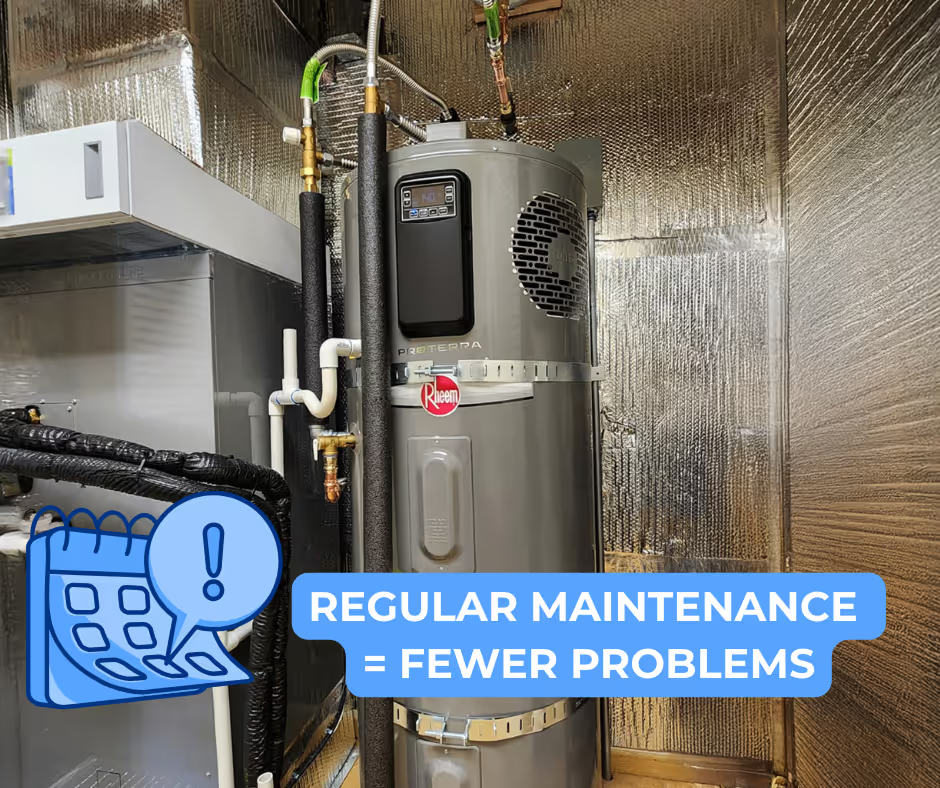
The best way to avoid a surprise no hot water emergency is regular maintenance. Many water heater repairs are linked to skipped service, while an annual checkup helps catch issues early.
Homeowners can occasionally look for visible leaks, listen for new noises, and keep the area around the heater clear. The rest is best left to a pro. During a maintenance visit, an IRBIS technician can check temperature and pressure, test the T&P valve, flush sediment, and inspect key components like the anode rod. For tankless and heat pump models, they also clean filters and make sure airflow and condensate lines are clear.
With consistent care, your water heater runs more efficiently, lasts longer, and is far less likely to leave you suddenly without hot water.
Get Reliable Hot Water with Professional Water Heater Repair
Dealing with hot water not working can be stressful, especially when it happens at the worst possible time. The good news is that you don’t have to solve it by yourself. Whether your water heater won’t turn on, isn’t heating properly, or has left you with no hot water, IRBIS Air, Plumbing & Electrical delivers fast, expert solutions.
The team specializes in water heater repair for gas, electric, tankless, and hybrid systems, serving San Jose and surrounding communities in Santa Clara and San Mateo counties. With 24/7 emergency availability, same-day service in many cases, and upfront, honest pricing, they focus on restoring your comfort quickly and doing the job right the first time.
If you’re tired of cold showers or worried about what your water heater is doing, call (408) 317 3901 or contact IRBIS online today to schedule your water heater service. With professional troubleshooting, clear communication, and careful workmanship, you can get your hot water—and your peace of mind—back as soon as possible.
During a repair visit, our technicians will inspect your A/C system, diagnose the problem, and provide you with repair options. Once you choose an option, we'll proceed with the necessary repairs. Afterward, we'll test the system to ensure it's working correctly and provide you with a detailed report.