


.avif)





Choosing the right water heater is one of the most important decisions you can make for your home’s comfort and energy efficiency. The two most common options are traditional tank water heaters and modern tankless systems. Each operates differently and offers unique advantages, so understanding how they compare is essential before investing in a replacement.
This guide provides a clear, detailed comparison of tank vs tankless water heater systems to help you determine which type best fits your household needs and long-term budget.
How Traditional Tank Water Heaters Work
A standard tank water heater stores a large volume of water in an insulated tank. The system heats the water continuously and maintains it at a preset temperature so it is ready when needed. Tank sizes vary widely, typically ranging from 30 to 80 gallons, which makes them suitable for families with high hot water demand.
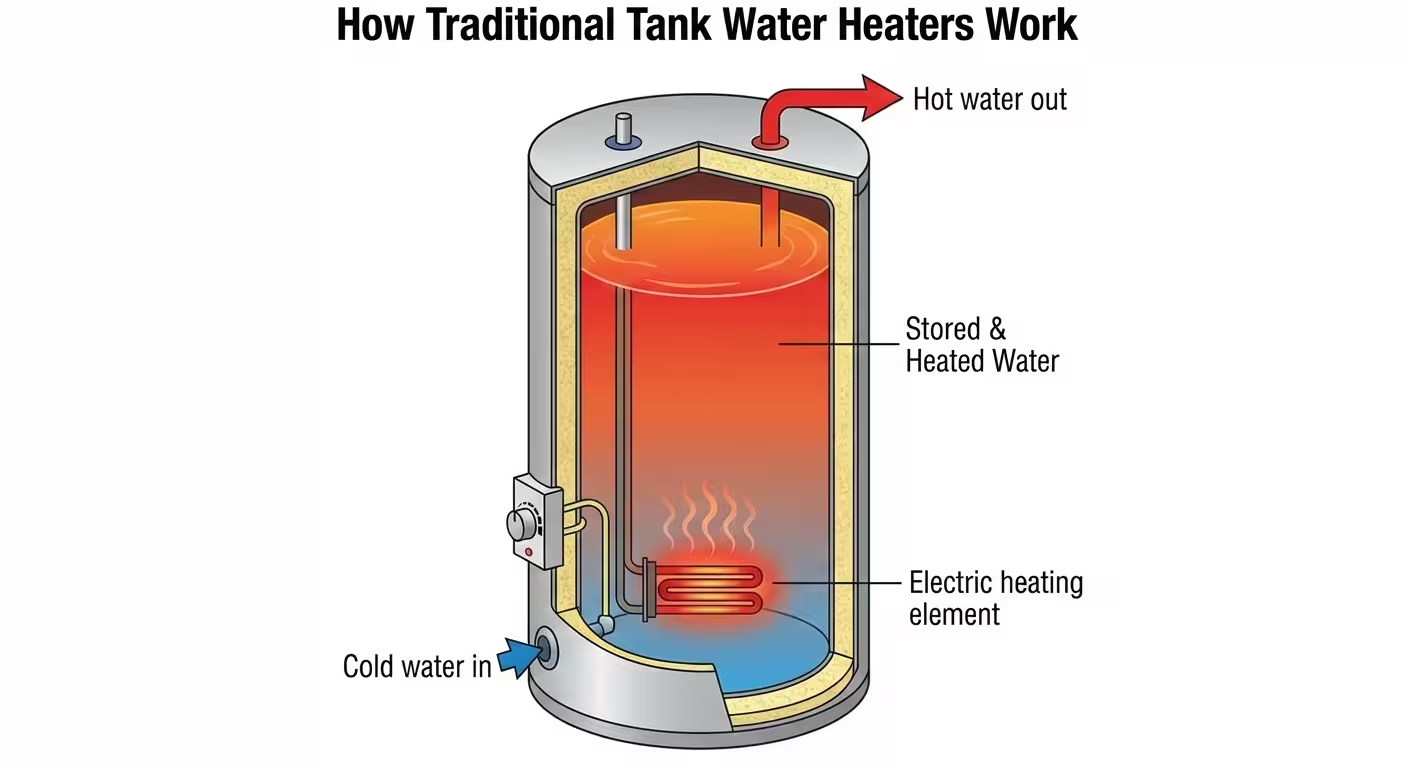
Since the tank reheats water throughout the day, energy consumption remains consistent even when you are not using hot water. This design is simple, dependable, and relatively affordable to install, although it does have some limitations.
How Tankless Water Heaters Work
A tankless water heater operates without storing water. Instead, it heats water only when a faucet or appliance calls for it. This is often referred to as an on-demand system. When hot water is needed, cold water flows through a heat exchanger and is warmed instantly before traveling to the tap.
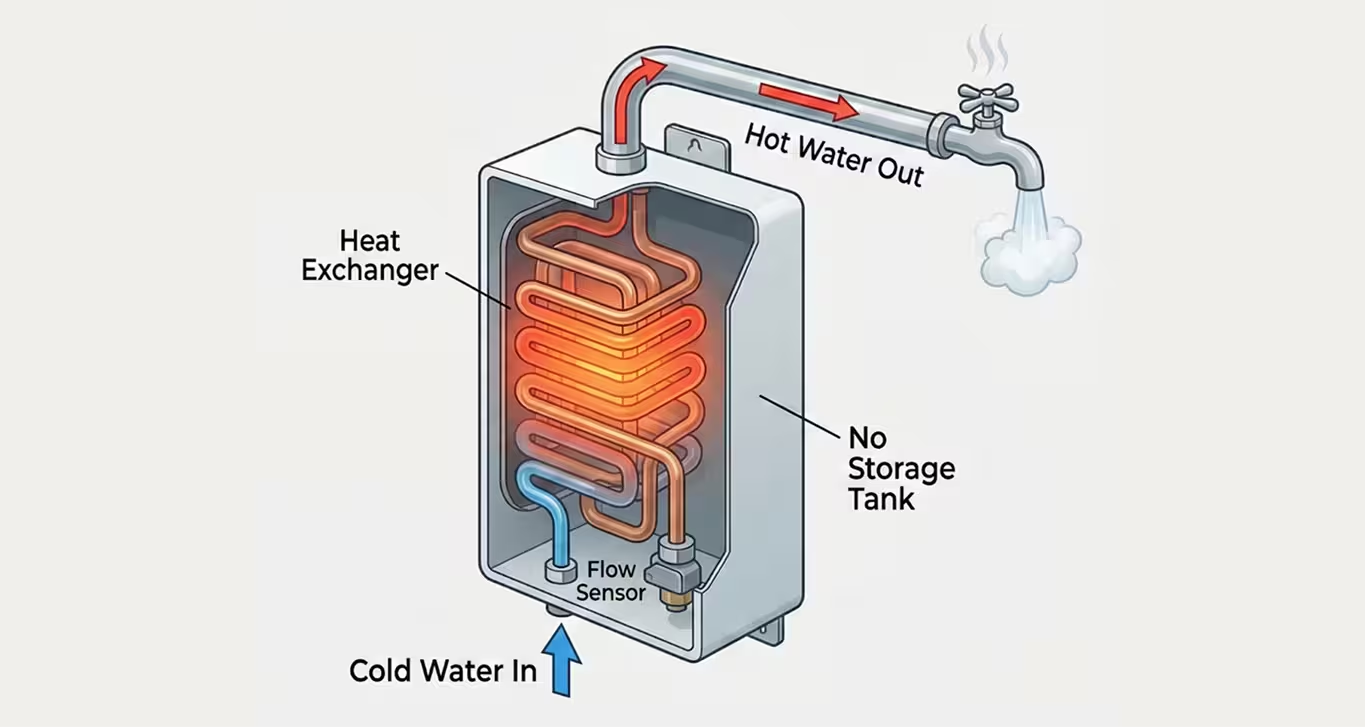
This design eliminates standby heat loss and delivers a virtually endless supply of hot water as long as the heater is properly sized. Homeowners who research tankless water heater vs tank comparisons often focus on energy savings and the compact size of tankless units.
Cost Differences Between Tank and Tankless Systems
Tank water heaters usually have lower initial costs. Installation is simpler and often requires fewer upgrades to plumbing or gas lines. Maintenance tends to be straightforward, and replacement parts are generally affordable.
Tankless water heaters have higher upfront costs due to their advanced components and installation requirements. Many homes need upgraded gas lines, venting systems, or electrical capacity to support tankless technology. Although the initial investment is greater, tankless units typically deliver energy savings over time, which reduces operating costs.
Performance and Hot Water Delivery
When comparing tankless vs tank water heater performance, the main difference is supply capability. Tank heaters deliver hot water until the stored volume is depleted. Once the tank is empty, the household must wait for the heater to warm a new batch of water. This can be inconvenient for large families or homes with multiple simultaneous hot water uses.
Tankless heaters do not run out of hot water, but they do have flow rate limits. If several appliances or fixtures demand hot water at the same time, a single tankless unit may struggle to keep up unless it is sized correctly or paired with additional units.
Energy Efficiency and Operating Costs
Tankless units are more energy efficient because they avoid heating and reheating stored water. This reduction in standby energy loss can significantly lower monthly utility bills. Households that use less hot water benefit the most since tank heaters continue to consume energy even during periods of low usage.
Tank heaters remain a reliable and economical choice, but they generally have higher operating costs over the life of the unit. In regions with high fuel or electricity prices, the long-term efficiency of tankless systems often makes them the more cost-effective option.
An alternative to standard tank water heaters—and one that can compete with tankless systems in efficiency—is the heat pump water heater. Instead of generating heat directly, a heat pump water heater transfers heat from the surrounding air into the water, allowing it to operate at significantly higher efficiency than conventional electric tanks. This results in substantially lower operating costs and, in many cases, lower monthly energy expenses than gas tankless systems. Heat pump water heaters often qualify for rebates and tax incentives, helping offset the higher upfront cost, but they do require sufficient space, airflow, and appropriate ambient temperatures to perform optimally.
Lifespan and Maintenance
A traditional tank heater typically lasts eight to twelve years. Sediment buildup inside the tank can shorten its lifespan if the system is not flushed regularly. Anode rods must also be checked and replaced as part of routine maintenance.
Tankless units last significantly longer, often up to twenty years or more. Maintenance includes descaling to remove mineral buildup and cleaning filters to preserve operating efficiency. Although tankless systems require periodic professional service, they reward homeowners with extended equipment life and lower long-term costs.
Space Requirements and Installation Factors
Tank water heaters occupy a noticeable amount of space and must be installed in a safe, accessible area. Larger tanks require more physical clearance and may not fit easily into smaller homes or apartments.
Heat pump water heaters require additional space compared to standard electric tank units because they rely on surrounding air to operate efficiently. They must be installed in areas with sufficient air volume, clearance, and airflow—such as garages, basements, or utility rooms with adequate ventilation. In tighter spaces, ducting may be required to provide proper airflow, which can affect installation complexity and cost.
Tankless units are compact and mounted on the wall, which frees up valuable floor space. Their installation flexibility makes them ideal for homes with limited mechanical room space. However, installation may require plumbing modifications or upgraded venting, which affects the total project cost.
Which System Is Better for Your Home
Both systems offer strong advantages. A tank heater is typically better for households that want low upfront cost, straightforward installation, and a familiar design. Homes with predictable hot water use may find a tank system entirely adequate.
A tankless system is better for homeowners seeking higher energy efficiency, unlimited hot water, and a longer system lifespan. It is especially attractive for modern homes, growing families, and households that want to reduce energy waste.
Ultimately, the right choice depends on your usage patterns, available installation space, utility costs, and long-term goals.
Conclusion
Selecting between a traditional tank heater and a tankless system requires a clear understanding of how each one functions, how much hot water your household uses, and what level of efficiency you expect. Both systems can provide reliable performance when properly installed and maintained.
If you want personalized guidance on choosing the best water heater for your home and available rebates for the system upgrade, contact IRBIS for expert recommendations and professional installation. Call +1 (669) 312 3643 or reach out online to schedule a consultation. Our team will help you evaluate your options, compare costs, and select the system that delivers dependable hot water and long-term peace of mind.
During a repair visit, our technicians will inspect your A/C system, diagnose the problem, and provide you with repair options. Once you choose an option, we'll proceed with the necessary repairs. Afterward, we'll test the system to ensure it's working correctly and provide you with a detailed report.