


.avif)





A water heater operates under high heat and pressure every day. To keep the system safe, it relies on a critical safety device called the temperature and pressure relief valve (TPR valve).
This valve is designed to release water if pressure or temperature inside the tank rises to dangerous levels. Without it, excessive pressure could damage the water heater or create a serious safety hazard.
Like any safety component, the TPR valve should be tested periodically to make sure it is working properly.
In this guide, we’ll explain:
- What the TPR valve does
- Why regular testing is important
- How to safely test the valve
- When the valve should be replaced instead of reset
Understanding how this safety device works can help homeowners keep their water heater operating safely and avoid potential problems before they become serious.
What the Temperature Pressure Relief Valve Does
A water heater pressure relief valve is usually located on the top or upper side of the tank. It is connected to a discharge pipe that directs hot water safely downward toward the floor. The purpose of the valve is simple. When the water inside the tank becomes too hot or pressure rises beyond a safe limit, the valve opens automatically to release water. This prevents stress on the tank and reduces the risk of rupture.
The TPR valve contains internal springs and temperature-sensitive components. Like any mechanical safety device, it can weaken or become blocked over time. Mineral deposits, corrosion, and lack of use may prevent the valve from opening when needed. Regular testing confirms that it can move freely and seal properly.
Why Regular Testing Is Necessary
Many homeowners assume that a water heater safety valve lasts for the life of the unit, but this is rarely true. Heat, pressure, and mineral buildup gradually affect its responsiveness. If the valve sticks closed, the tank may hold pressure that exceeds its design limits. If it sticks open, the heater may leak continuously and waste energy while increasing your utility bills.
Testing the pressure relief valve water heater mechanism helps detect early signs of malfunction before they develop into serious hazards. Most manufacturers recommend testing it once or twice a year as part of routine maintenance.
How to Test a Water Heater Pressure Relief Valve Safely

Before beginning the test, ensure that the area around the discharge pipe is clear and that the water exiting the pipe will not damage flooring or belongings. The water released during a test may be very hot.
Start by lifting the small lever located at the top of the valve. Lift it slowly until you hear water traveling down the discharge pipe. At that moment, the valve is open and has released a short burst of water from the tank. Once you have confirmed that water flows freely, release the lever and allow it to return to its original position. The water flow should stop completely.
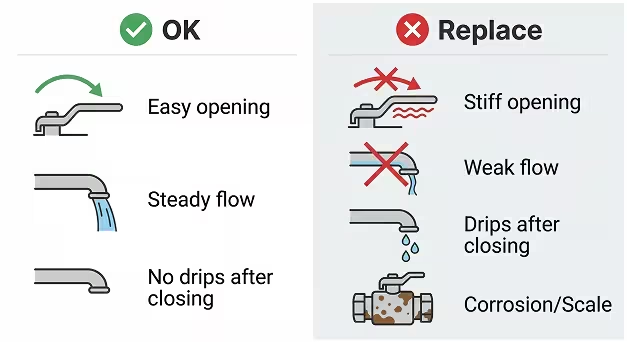
A properly functioning TPR valve opens easily, produces a steady flow, and closes tightly without dripping. If the lever feels stiff, if water only trickles out, or if the valve continues leaking after the lever is released, the valve is no longer reliable.
Testing should always be performed with caution. Avoid placing your hand beneath the discharge opening, and do not force the lever if it does not move easily. A valve that refuses to open requires professional attention.
Signs That the Valve Needs Replacement
A TPR valve that leaks constantly, sticks open, or fails to open during testing is no longer safe to use. Corrosion around the valve connection, mineral buildup inside the discharge pipe, and visible moisture around the valve body also indicate that replacement is necessary.
In older homes, the valve may not match current safety standards. Upgrading to a modern water heater pressure relief valve improves reliability and protects both the heater and the home.
Sometimes, a valve may appear faulty due to excessive pressure caused by other plumbing issues, such as a malfunctioning expansion tank or unusually high incoming water pressure. Professional diagnosis ensures that both the valve and the system it protects function correctly.
How Often to Test or Replace the Valve
Most experts recommend testing the valve twice a year, especially in areas with hard water. Sediment and minerals accumulate more quickly in these regions, which affects both the valve and the tank. If a valve fails even a simple test, immediate replacement is the safest course of action.
A TPR valve typically lasts several years, but it should be replaced anytime it shows signs of malfunction, corrosion, or unpredictable operation. Regular maintenance extends the life of the water heater and reduces the risk of safety incidents.
Conclusion
Testing a water heater’s temperature-pressure relief valve is an important maintenance task that ensures safe operation. A functional TPR valve opens easily, releases water smoothly, and seals tightly. Any stiffness, restricted flow, or continuous dripping signals that the valve should be replaced promptly. Keeping this safety component in proper working condition protects the tank, reduces energy waste, and helps prevent dangerous pressure buildup.
If you suspect your TPR valve is not working correctly or you prefer a professional inspection, contact IRBIS for expert service. Call +1 (669) 312 3643 or reach out online to schedule a water heater safety evaluation. With careful troubleshooting and skilled workmanship, we help keep your hot water system safe, efficient, and dependable.
FAQ
[[faq|name=How do I know if my water heater pressure relief valve is bad?|text=Common signs of a failing water heater pressure relief valve include constant dripping from the discharge pipe, corrosion around the valve, or the valve not opening during testing. If the lever feels stuck or water continues to leak after testing, the valve may no longer seal properly and should be replaced.]]
[[faq|name=Is it safe to test a water heater TPR valve yourself?|text=Yes, testing a temperature pressure relief valve is generally safe if done carefully. The main precaution is to avoid direct contact with the discharge pipe because the water released during testing can be very hot. If the valve does not open easily or continues leaking afterward, it is best to contact a professional.]]
[[faq|name=How often should a water heater pressure relief valve be tested?|text=Most manufacturers recommend testing the water heater safety valve once or twice per year. Regular testing ensures the valve can release excess pressure if needed and helps identify early signs of malfunction.]]
[[faq|name=Why is water coming out of the pressure relief valve pipe?|text=Water coming from the discharge pipe may indicate that the valve is releasing excess pressure from the tank. This can happen if the water heater temperature is too high, if system pressure increases, or if the valve itself is faulty. Continuous leaking usually means the valve should be inspected or replaced.]]
[[faq|name=Can a water heater work without a temperature pressure relief valve?|text=No. A temperature pressure relief valve is a critical safety component required by plumbing codes. It prevents dangerous pressure buildup inside the tank. Operating a water heater without a functioning TPR valve can create a serious safety risk.]]
[[faq|name=When should a water heater pressure relief valve be replaced?|text=A TPR valve should be replaced if it leaks continuously, fails to open during testing, shows signs of corrosion, or does not close properly after being lifted. Replacement is also recommended if the valve is very old or does not meet current safety standards.]]
During a repair visit, our technicians will inspect your A/C system, diagnose the problem, and provide you with repair options. Once you choose an option, we'll proceed with the necessary repairs. Afterward, we'll test the system to ensure it's working correctly and provide you with a detailed report.