Bay Area winters are mild, but wet. Weeks of rain, cool nights, and homes that stay closed up for months create ideal conditions for indoor moisture problems. You might notice water droplets on your windows in the morning, a damp feeling in the closet, or a musty smell when the heat kicks on.
These are not just cosmetic issues. Excess moisture can lead to mold, damage paint and window frames, and affect your indoor air quality. The good news is that most humidity problems have clear causes and practical fixes. Here is what our technicians look for and what we recommend.
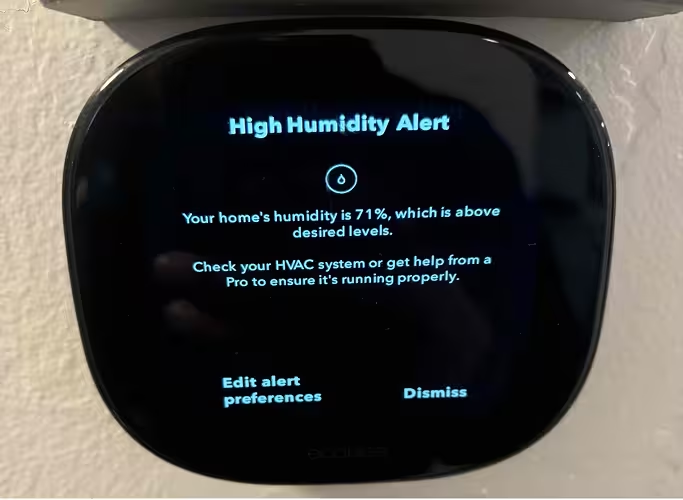
Signs Your Home Has a Humidity Problem
Moisture problems tend to show up in the same places. The most obvious sign is condensation on windows, especially first thing in the morning and on older or single-pane glass. Other clues are a musty smell in closets, bathrooms, or basements; closets and cabinets on exterior walls that feel damp; and small spots of mold or mildew on window frames, ceilings, and the corners of rooms. Over time, you may also see paint peeling or trim warping near windows and in bathrooms.
In our experience, the most common causes are poor ventilation, hidden leaks, and the everyday activities that add moisture to the air. Cooking, showering, drying laundry indoors, and even breathing all release water vapor. In summer, open windows let much of it escape. In winter, when the house stays closed, that moisture has nowhere to go.
Does Your Heating System Affect Humidity?
This is one of the most common questions we hear, and the answer surprises many homeowners. Running a furnace or heat pump makes indoor air feel drier because warm air can hold more moisture than cold air, so the relative humidity drops as the air heats up. But heating doesn’t actually remove moisture from your home. The water is still there.

That is why a room can feel dry and full of static while the windows are still covered in droplets. When warm indoor air touches cold glass, it cools down quickly, and the moisture it carries turns into water. The colder your windows and the more moisture in the air, the more condensation you will see.
Humidifier, Dehumidifier, or Better Ventilation?
The right fix depends on which way your home is out of balance. A humidifier makes sense only when the air is genuinely too dry: you notice dry skin, irritated sinuses, frequent static shocks, or cracking wood floors and furniture, and there are no signs of condensation or dampness anywhere. A dehumidifier is the better choice when humidity stays high, with persistent condensation, damp closets, musty smells, or visible mold.
For most Bay Area homes, though, we recommend starting with ventilation. Better airflow and regular use of exhaust fans often solve everyday moisture problems without any extra equipment. Run the bathroom fan during showers and for a while afterward, and use the range hood when you cook, especially when boiling water. Try to avoid drying laundry indoors, and make sure your dryer vents to the outside. Keeping furniture a few inches away from exterior walls lets air circulate, and opening blinds and curtains during the day helps windows warm up so less moisture condenses on them.
If you are not sure where your home stands, a simple hygrometer from any hardware store will tell you. In general, indoor humidity between 30 and 50 percent is a comfortable and healthy range.
What Causes Musty Smells From Your Vents?
A musty or stale smell coming from your vents when the heat turns on usually has one of three causes: dust that settled in the ducts over the warmer months, a dirty air filter that has collected dust, pet hair, and moisture, or moisture building up inside the system or the ductwork.
It helps to know the difference between smells. A light burning dust smell the first few times you turn on the heat each fall is normal and should fade quickly. A musty, damp, or mildew-like smell is something else.

Start by replacing your air filter. If the smell doesn’t go away, or keeps coming back, it may point to mold or damp ductwork. That is not something to ignore, because whatever is in your ducts is being blown into every room of your home. We recommend having the system and ducts inspected. In some cases, professional duct cleaning or repairing the source of the moisture is needed.
Breathe Easier This Winter
Most winter moisture problems can be handled with a few good habits: check your windows in the morning, keep the exhaust fans running, replace your HVAC filter, and fix leaks around windows, roofs, and plumbing before they turn into mold. When the signs don’t go away, it is time to look deeper.
IRBIS Air, Plumbing & Electrical helps homeowners across San Jose and the Bay Area solve moisture and indoor air quality problems, from HVAC inspections and filter replacement to duct cleaning and ventilation improvements. If condensation, damp spots, or musty smells are becoming part of your winter routine, call us at +1 (669) 312-3643 or contact us online, and our team will help you find the cause.
During a repair visit, our technicians will inspect your A/C system, diagnose the problem, and provide you with repair options. Once you choose an option, we'll proceed with the necessary repairs. Afterward, we'll test the system to ensure it's working correctly and provide you with a detailed report.